Tutti gli analisti internazionali convergono nell’asserire che l’America Latina ha ottime prospettive e continuerà nei prossimi anni il suo processo di espansione economica. Tale crescita però, secondo la recente analisi pubblicata dalla Banca Interamericana dello Sviluppo, è caratterizzata da una divisione in due gruppi di Paesi che corrono a due diverse velocità e che hanno prospettive e tendenze distinte.
On one hand, there's the bloc led by Brazil, which brings together raw material exporting countries and is oriented towards emerging markets; on the other, there's the bloc led by Mexico, which maintains a model more dependent on industrialized countries.
The 2008 crisis undoubtedly reshaped the balance of power on the global stage, creating a new economic order that was not exactly analogous to the previous one. The emergence of dynamic BRIC countries, and not only them, triggered a mechanism with economic and commercial repercussions also for the Latin American subcontinent, which benefited from these changes. The report compiled clearly shows that the Latin American nations most linked to emerging countries present better macroeconomic conditions, and the Inter-American Bank's thesis tends to demonstrate how Latin America's solid economic growth is not uniform, but masks two different speeds.
Il primo modello guidato dal Brasile, in cui è prevista una crescita del PIL nel 2011 che si attesta intorno al 4.4%, si colloca molto bene nello scenario internazionale e presenta delle prospettive floride. L’esportazione delle materie prime verso le principali economie emergenti, e quelle asiatiche in particolar modo, alimenta ulteriormente la crescita e costituisce una vera e propria chiave di volta per lo sviluppo del Subcontinente. In questo gruppo, oltre al già citato Brasile, sono presenti Argentina, Bolivia, Cile, Colombia, Ecuador, Paraguay, Perù, Uruguay, Venezuela e Trinidad & Tobago e si tratta di Paesi che beneficiano non solo degli alti prezzi delle materie prime ma anche del forte ingresso di flussi di capitali stranieri.
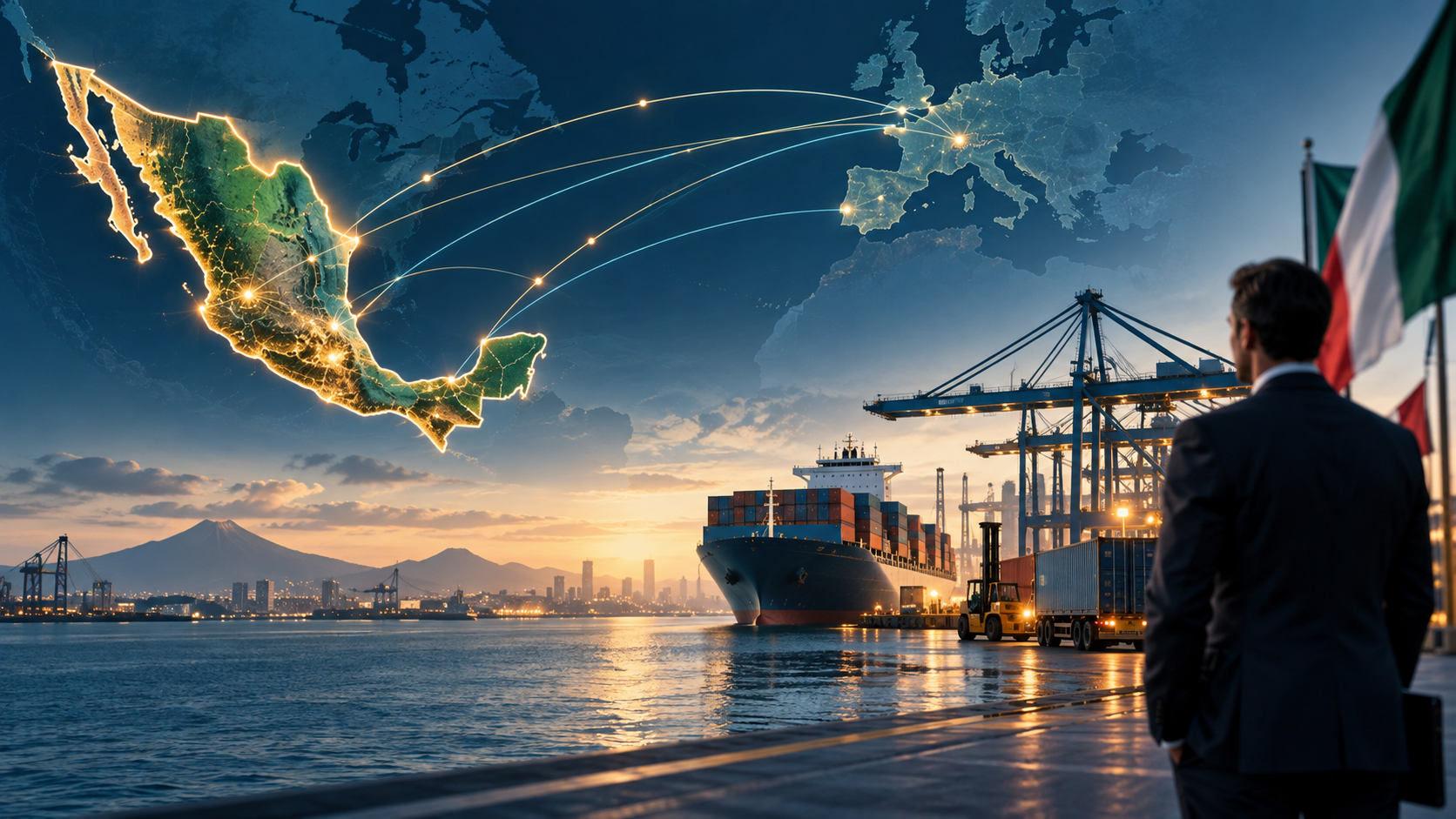
In contrast, the group led by Mexico—whose members have much stronger trade ties (primarily in goods and services) with industrialized economies—will see a +2.71% quarter-on-quarter increase, driven by the gradual recovery from the crisis in the countries that constitute their main markets, particularly the European Union. This bloc, which includes importers of raw materials, comprises Mexico and all Central American and Caribbean countries (except Haiti).
The data presented in the analysis also highlight differences among the leading countries in the two blocs. In 2006, Brazil exported 91% of its products to its BRIC “partners” (Russia, China, and India), and by 2009, that figure had risen to 171%; by contrast, exports to industrialized countries declined from 50% in 2006 to 44% in 2009. The trend in the Mexican economy is different, with exports to the BRIC countries accounting for only 31% of the 2009 total, while exports to industrialized countries reached 91%. In a global context where the recovery from the crisis that began in 2008 has been driven by emerging economies, it is therefore understandable why the Inter-American Development Bank deemed it appropriate to make this distinction.
The economic challenges and business opportunities that Latin American countries will face in the coming years will primarily concern their ability to increase and consolidate their presence in Asian, European, and United States markets. The current international situation favors the rise of the Latin American macro-region, whose governments will however have to be able to implement further macroeconomic, fiscal, and commercial measures, aimed not only at reducing vulnerability and external dependence, but also at containing the inflationary threat, fueled by the increase in the price of oil and food.
Despite the diverse peculiarities of the Latin American economy, the path towards more sustainable economic development that can allow players in this region to play an increasingly important role in the globalized context is achievable.
ALSO READ:
The success of Italian companies in India
Internationalizing your business abroad: strategic choice or opportunity?
Digital export manager (DEM): internationalization in a digital context





 Italian
  English