Italy India Strategic Partnership: Opportunities, Investments, and Action Plan 2025-2029
TLDR
The Strategic Action Plan Italy-India 2025-2029 aims to increase trade exchange from approximately $14 billion to $20 billion by 2029.
The priority areas of the Plan are clean energy, defense, artificial intelligence, and sustainable mobility, sectors in which Italy and India are complementary and not competing.
The third Italo-Indian Business Forum on December 10 and 11, 2025 in New Delhi and Mumbai brought together 50 Italian companies and 150 Indian counterparts.
Among the agreements signed are SAIL-Danieli for steel projects worth 500 million euros and Carpisa-Neopolis Brands for the opening of 100 stores in India.
CDP and SIMEST are developing financial instruments dedicated to SMEs, which generate over 50% of Italy’s manufacturing exports, to support their expansion in the Indian market.
Index
strategic partnership Italy India: theAction Plan 2025-2029
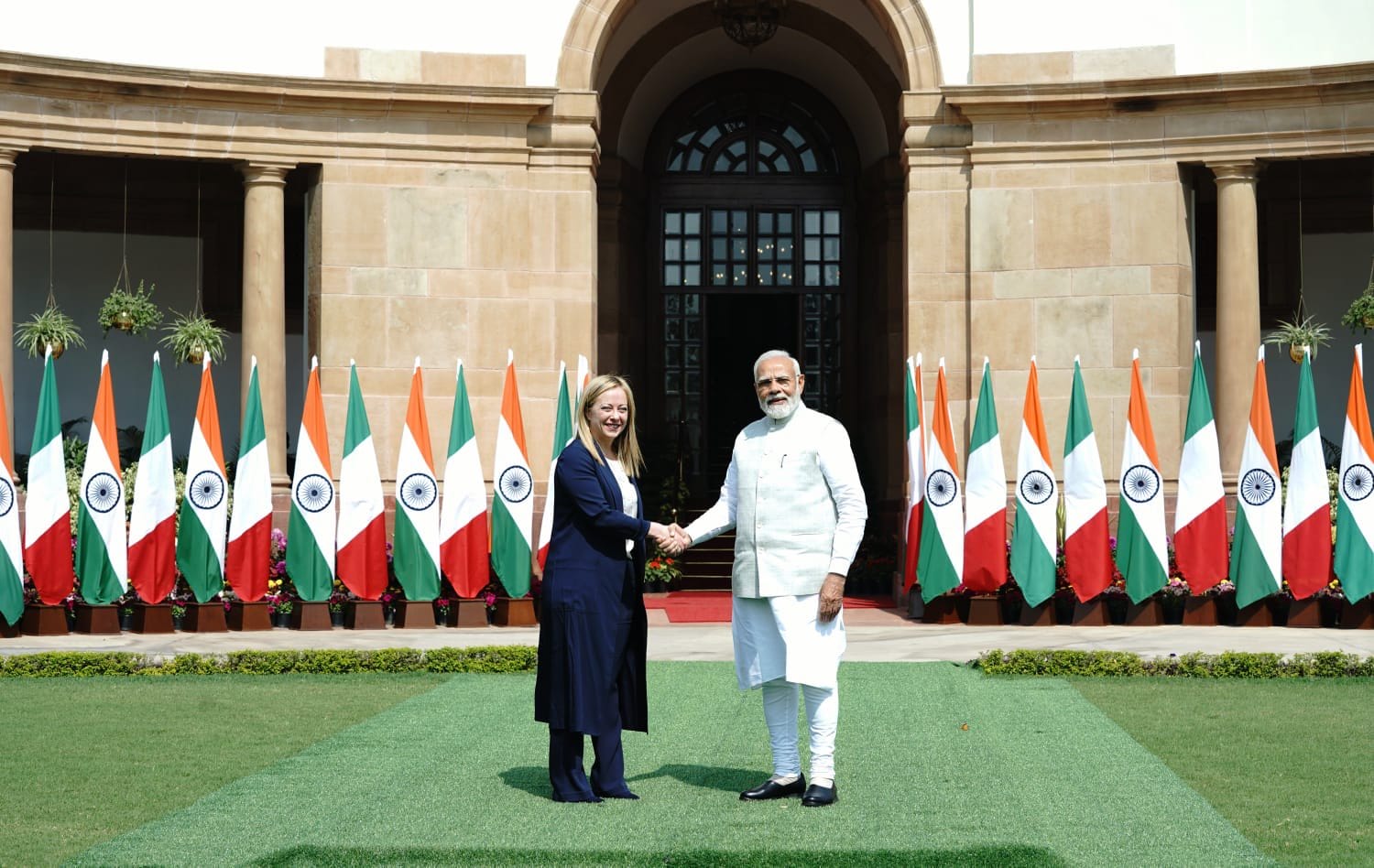
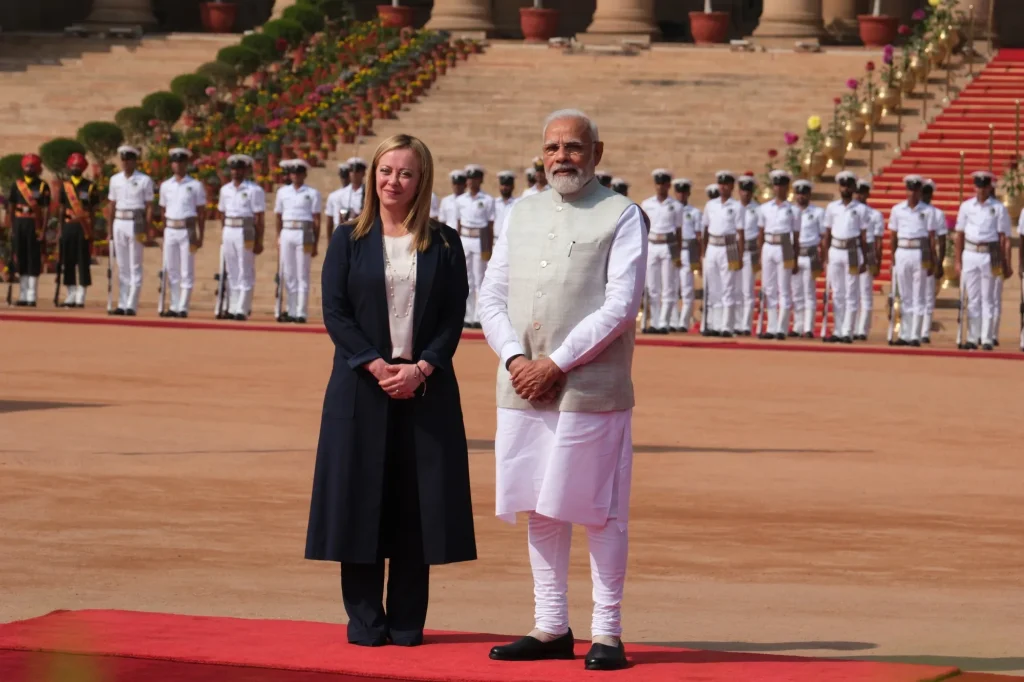
The Italy-India Strategic Action Plan 2025-2029 represents the heart of bilateral cooperation between the two countries, an ambitious initiative that aims to strengthen Economic and commercial relations in the long term. This plan is the result of a series of high-level meetings between the Premiers Giorgia Meloni and Narendra Modi, who have charted the future direction of the partnership.
The main goal is to bring’Trade exchange at $20 billion by 2029,increasing trading volumes and opening new opportunities in strategic sectors. To achieve this goal, the plan focuses on several areas sectoral collaboration and technological innovation. Some of the priority areas identified include:
Clean energycollaboration on renewable solutions and green technologies to support India's energy transition.
DefenseTechnological and industrial partnerships to strengthen defense capabilities and security.
Artificial intelligencetechnology transfer and creation of innovative hubs to promote AI and digitalization.
Sustainable mobilityDevelopment of electric vehicle technologies, charging infrastructure, and eco-friendly public transportation.
Italy-India Business Forum: Key Moments of Economic Dialogue and Opportunities for Italian Businesses
The Third Indo-Italian Business Forum, held in New Delhi and Mumbai on December 10 and 11, 2025, was one of the most concrete steps of the Italy-India strategic partnership, as it directly strengthened economic ties between businesses and institutions of the two countries. In Mumbai, the Minister of Foreign Affairs Antonio Tajani opened the proceedings together with the Indian Minister of Industry and Commerce Piyush Goyal, recalling that there are already about 700 Italian companies and announcing the intention to create a innovation hub Dedicated to Italian ecosystems.
Tajani also emphasized the importance of attracting new Indian investments to Italy, highlighting how the country is open to projects capable of generating employment and development in its territories. The Forum brought together 50 Italian companies and 150 Indian counterparts, engaged in B2B sessions and sectoral networking moments that transformed political dialogue into concrete collaboration opportunities.
India and Asia: A Strategic Lever for Diversifying Italian Exports
Asia, and in India is special, represents a strategic opportunity for Italian companies to diversify from traditional European and North American markets. The Chief Executive Officer of Cassa Depositi e Prestiti (CDP), Dario Scannapieco, reiterated that over 50% of Italian manufacturing exports come from micro, small, and medium-sized enterprises, whose production fabric ensures flexibility and resilience.CDP is promoting specific initiatives to support these entities in their international expansion, including national roadshows organized with Confindustria to illustrate the available financial tools.
Italy-India Sectoral Tables: Concrete Opportunities for Italian Businesses
Within the framework of the strategic partnership between Italy and India, the four sectoral tables organized during the Forum offered concrete business opportunities for companies from both countries:
Sports Sector Presentation of the Indian Institute of Sports Management and meetings with leading Italian companies in sports equipment and apparel.
Auto Parts Interactions with ACMA (Automotive Component Manufacturers Association) and visits to Greaves Cotton and Ashok Leyland.
Energy and Renewables Collaboration with CII ITC Center of Excellence on Sustainable Development and visit to ION Exchange.
Agribusiness: meetings with Godrej Agrivet and ADF Foods to explore concrete opportunities in food processing.
Strategic agreements and investments: how to strengthen the Italy-India economic partnership
Various Memorandum of Understanding were signed during the Forums:
SIMEST and ICC (Indian Chamber of Commerce) to strengthen economic cooperation.
Cavagna Group and Ace Brass They created Cavagna Group Ace Brass Tech Private Limited for the production of gas components.
Steel Authority of India Limited (SAIL) and Danieli for steel projects worth 500 million euros.
Prada with Lidcom and Lidkar for the production of Kolhapuri sandals in Maharashtra.
Carpisa with Neopolis Brands for the opening of 100 stores in India.
Indian Unicorns and Tech Startups: New Alliances for Italian Businesses
India is experiencing an era of extraordinary growth in the sector of tech start-ups, so that today the country ranks third place in the world for the number of unicorns (companies valued at over $1 billion). This phenomenon is the result of a combination of factors: a young population (the average age is about 28 years), a growing spread of smartphone around 900 million users), and a favorable environment for innovation and investment. The Indian government has strongly incentivized the startup ecosystem, with supportive policies and a significant increase in venture capital.
In this context, the meeting between Italian start-ups and Indian unicorns has represented a true opportunity for Technological collaboration and exchange. The Indian unicorn start-ups as Pharmeasy, Paytm, Razorpay and Meesho are emblems of the extraordinary capacity for innovation and growth of Indian businesses. These companies, active in sectors such as digital health, online payments, logistics, and e-commerce, represent fertile ground for strategic partnerships with Italian companies, especially in the field of emerging technologies, artificial intelligence and fintech.
India offers Italian companies an ecosystem of open innovation and dynamic, where it is possible to connect with rapidly growing companies, find solutions to optimize your technological processes, and collaborate in sectors such as big data, blockchain and artificial intelligence. The growing openness to startups has also made the country an ideal breeding ground for business accelerators and innovation incubators, creating a bridge between Italian technological experience and Scalability of Indian startups.
IMEC and Triangulations with Africa: The New India-Middle East-Europe Corridor
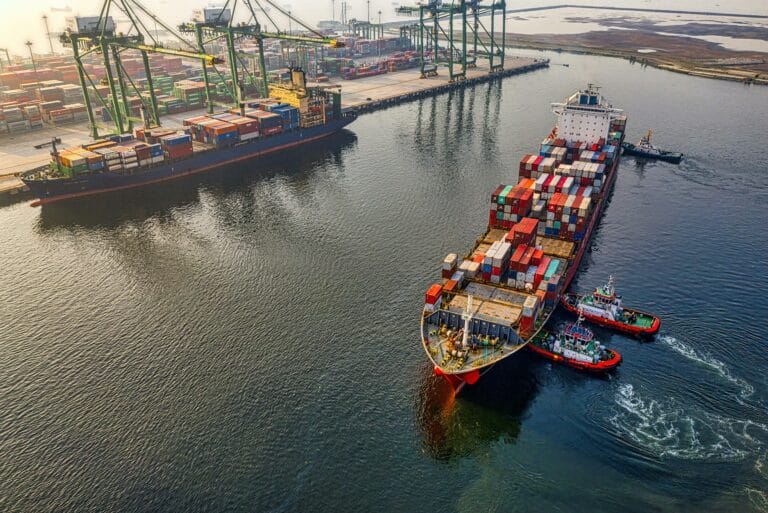
One of the most promising developments for cooperation between Italy and India is IMEC (India-Middle East-Europe Corridor), an ambitious project to transportation infrastructure which aims to connect India, the Middle East, and Europe, with the goal of improving trade, logistics, and infrastructure connectivity between the three continents.
In 2026, the’IMEC not only is it becoming one of the priorities Bilateral strategies, but it is also turning into a concrete opportunity for Italian businesses that wish to expand their presence not only in India, but also in the markets of Middle East and of the’Africa. The proposed infrastructure will improve trade flows and reduce goods transportation times, creating new logistical routes that will have positive impacts on trade and investment.
A fundamental aspect concerns the triangulations with Africa for the development of raw materials and the realization of infrastructure projects communities. India, with its growing demand for natural resources, and Europe, with its capacity for technological innovation, can create a perfect combination to develop initiatives for sustainability and Infrastructure growth.
In the context of the Italy-India strategic partnership and the IMEC corridor, Italian companies can benefit from business opportunities in the sectors of logistics, data centers, and clean energy, contributing to the strengthening of connections between the three continents. Cooperation in the technological and digital fields for infrastructure management will be central, and Italy, with its advanced experience in smart cities and industrial innovation, is destined to play a leading role in this scenario.
Structural Complementarity between Italy and India: Supply Chains and Sectors with High Potential
Italy-India partnership is based on a structural complementarity which reflects the strengths of each country, creating a solid foundation for long-term cooperation. Italy, with its tradition of advanced manufacturing, innovative technologies and High-quality design, brings know-how that responds to India's growing needs, especially in the industrial and technological sectors. India, for its part, with its Skilled workforce, the productive capacity and the growing Internal question, offers opportunities to large-scale production, emerging market access and an investment-friendly environment. This complementarity is particularly evident in key sectors such as:
Manufacturing and technology
Traditional sectors
Advanced Technologies
And it is also reflected in joint projects, such as initiatives in the sectors of’renewable energy, of the Sustainable mobility and of the Smart infrastructure, where the two countries can combine resources, expertise, and capabilities to achieve common goals. Electric mobility, for example, is becoming a key sector for collaboration, with Italy bringing Advanced technologies for electric vehicles and India has the potential to Scale up production thanks to its labor force and large market volumes.
The role of the financial system: CDP, SIMEST and tools for Italian SMEs in India
The financial system plays a central role in strengthening economic relations between Italy and India, with a particular focus on access to funding and on the creation of tools that support the Italian SMEs in the expansion towards the Indian market. The Italian banking system, with CDP (Cassa Depositi e Prestiti) and SIMEST on the front lines, it is developing ad hoc financial instruments to facilitate the internationalization of small and medium-sized enterprises, particularly those export-oriented.
Conclusion: Why the Italy-India Strategic Partnership is an Opportunity to Seize Now
The Italy-India partnership is at a Turning point, with three Business Forums in eight months attesting to the political and entrepreneurial will of both parties. The goal of $20 billion in trade by 2029 is ambitious but realistic, if supported by:
Mutual investments Of quality.
Sectoral collaboration strategic.
Skills development and technology transfer.
Financial instruments suitable for SMEs.
For Italian businesses, India represents not only a consumer market, but a productive and technological platform for Asia, with concrete opportunities in traditional, innovative, and high-tech sectors. The 2025-2029 Action Plan offers a clear roadmap to translate this complementarity into concrete results.
Frequently Asked Questions
What is the goal of trade exchange between Italy and India set out in the 2025-2029 Action Plan?
The Strategic Action Plan Italy-India 2025-2029 aims to bring trade to $20 billion by 2029. Today, trade stands at about $14 billion. The goal stems from meetings between Prime Ministers Giorgia Meloni and Narendra Modi and is considered ambitious but realistic, if supported by mutual investments, sectoral collaboration, and adequate financial instruments for SMEs.
Which sectors offer more opportunities for Italian companies that want to export or invest in India?
The major opportunities relate to clean energy, defense, artificial intelligence, and sustainable mobility, which are identified as priorities in the 2025-2029 Plan. Automotive components, agro-food, sports, steel, logistics, and data centers also emerge as priorities. Italy brings advanced manufacturing, design, and technology. India offers production scale, skilled labor, and growing domestic demand, with a complementarity that avoids competitive overlaps.
What emerged from the third Business Forum Italy-India in December 2025 and what agreements were signed?
The third Business Forum, held in New Delhi and Mumbai on December 10 and 11, 2025, brought together 50 Italian companies and 150 Indian counterparts in B2B sessions. Several memoranda of understanding were signed: SIMEST with the Indian Chamber of Commerce, SAIL and Danieli for steel projects worth 500 million euros, Prada with Lidcom and Lidkar, Carpisa with Neopolis Brands for 100 stores.
How can Italian SMEs find financial support to expand in India?
Italian SMEs can turn to CDP (Cassa Depositi e Prestiti) and SIMEST, which are developing ad hoc financial instruments for the internationalization of export-oriented companies. CDP also promotes national roadshows with Confindustria to illustrate the available tools. The support is relevant because micro, small and medium-sized enterprises generate over 50% of Italy’s manufacturing exports.
What is the IMEC corridor and why is it of interest to Italian companies?
The IMEC (India-Middle East-Europe Corridor) is a transport infrastructure project that connects India, the Middle East and Europe to improve commercial and logistics connectivity and reduce the transport times of goods. For Italian companies it opens up opportunities in logistics, data centers and clean energy, as well as triangular partnerships with Africa on raw materials and infrastructure projects.
Why are Indian start-ups and unicorns interesting for Italian companies?
India ranks third in the world in terms of the number of unicorns, thanks to a young population with an average age of about 28 years, about 900 million smartphone users, and government policies supporting venture capital. Companies such as Pharmeasy, Paytm, Razorpay, and Meesho offer potential partnerships in artificial intelligence, fintech, big data, and blockchain.
SHARE ARTICLESassy Social Share
If you want to learn more about the content of this article











 Italian
 English