Nel caos post crisi, molti stanno cercando la ricetta per risolvere le difficoltà inanellate negli ultimi due anni e si palesa l’opportunità del cambiamento. Chi propende per gettarsi a capofitto nella ricerca e sviluppo di nuovi prodotti per poter generare quel vantaggio competitivo tale da fargli cancellare mesi di passione, chi invece decide di giocarsi il tutto per tutto sulla formazione per preparare le risorse al presto atteso rilancio. C’è anche chi, devo dirlo, purtroppo attende alla finestra, immobile, per vedere cosa succederà.
There is no one-size-fits-all solution. Each entrepreneur brings their own sensibility to empower their company in the areas they deem most crucial for a rebound, riding the wave of new, albeit minimal, economic development.
Change as an opportunity
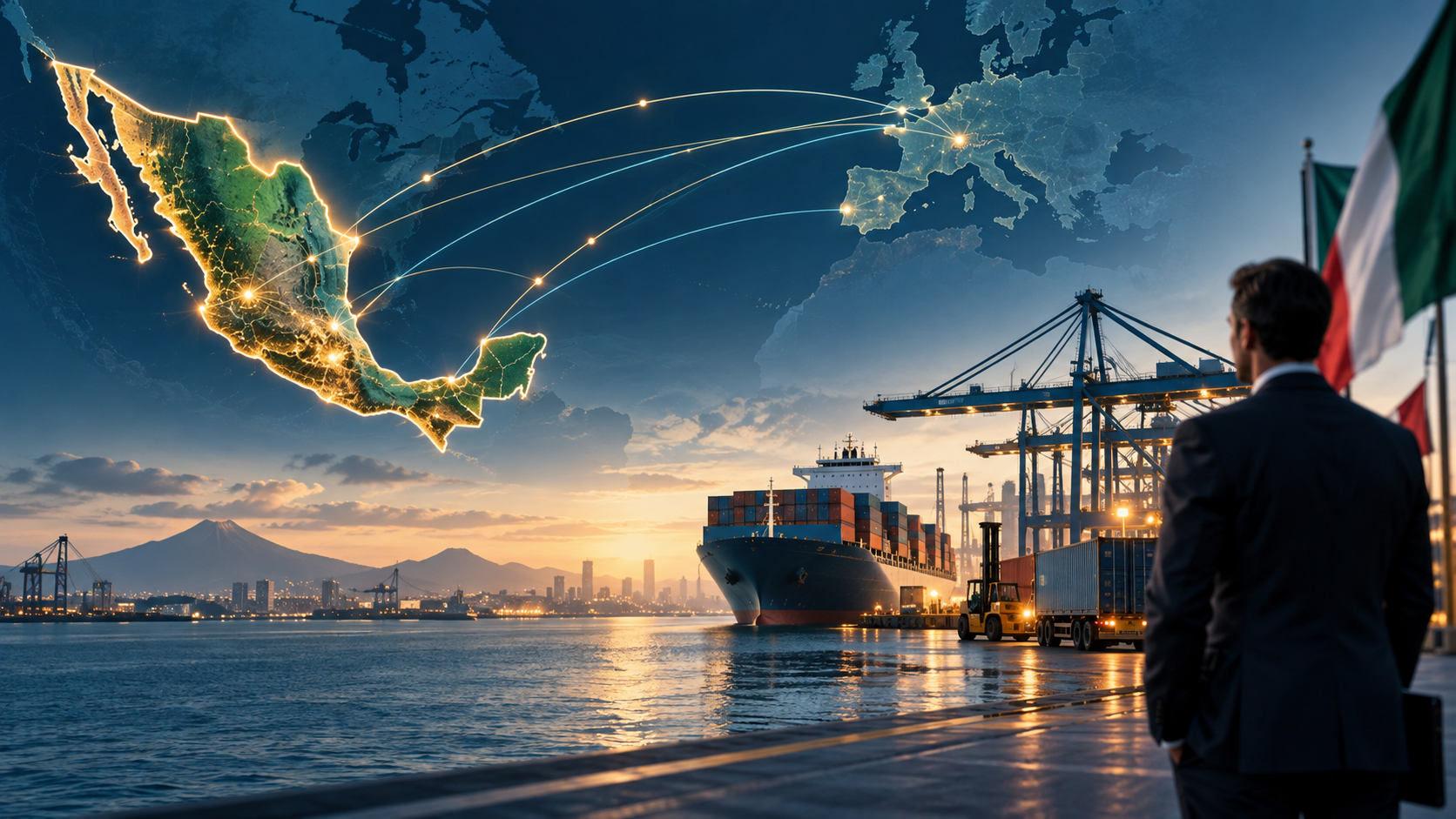
Despite this, one certain path that many companies will have to take in the coming years is that of internationalization. Some companies will start at an advantage as they are already sensitive to the issue and well-rooted in foreign markets from a commercial standpoint; others will have to struggle and find their own way to survive. All will have to consider internationalization as one of the cornerstones of their transformation.
The current context shows a significant percentage of companies concentrated on selling and distributing their products within the European market, while the number of companies exporting beyond the EU borders is considerably reduced. Furthermore, if we analyze companies that have made direct foreign investments, particularly in high-growth markets, we find a particularly small number, mainly representative of medium and large enterprises.
The competitive scenario of the next decade foresees a significant evolution of corporate positions, leading to a polycentric and dynamic business model, ready to embrace the challenges imposed by recent changes.
Without a strategy for integration between companies and an approach to localization in promising economies, our companies risk being subjected to, rather than leading, the positive evolution of the “global market.” To consolidate this strategy, it's necessary to ask questions and take an interest in what is happening beyond our internal borders (whether Italian or European) and to continue investing with the understanding that beyond the Balkans, there are realities developing at enviable rates and not stopping, realities that are curious about and open to experimenting with the Italian system.
These realities represent, in every respect, a great opportunity for the relaunch of our businesses.
ALSO READ:
The success of Italian companies in India
Internationalizing your business abroad: strategic choice or opportunity?
Digital export manager (DEM): internationalization in a digital context





 Italian
  English