Opportunities to sell in Vietnam, what you need to know
In summary
Il Vietnam ha oltre 100 milioni di abitanti, età media sotto i 35 anni e un PIL in crescita attorno al 6-6,5% annuo nel biennio 2024-2025.
L’accordo EVFTA, in vigore dal 2020, elimina progressivamente oltre il 99% dei dazi sul commercio bilaterale entro circa dieci anni.
To obtain the EVFTA benefits, verification of the rules of origin, correct customs classification, and documentation in compliance with the required requirements are required.
I settori più promettenti per l’Italia sono macchinari, agroalimentare, moda e tessile, infrastrutture e logistica, farmaceutico e chimico.
To sell in Vietnam, products need to be adapted, with a strong digital presence on e-commerce and social media, Vietnamese labeling and health certifications for food and cosmetics are required.
Index
Vietnam represents one of the most dynamic and promising economies in Southeast Asia, with a projected GDP growth of 6.5% between 2023 and 2027.
This country is an ideal entry point for Italian companies wishing to expand into the ASEAN region. With a population of about 100 million inhabitants and a growing middle class, Vietnam offers attractive opportunities, particularly for high-quality, high value-added products.
Vietnam's economic environment and growth
Vietnam continues to stand out as one of the most dynamic economies in Southeast Asia. In the 2024-2025 biennium, the country has confirmed a sustained pace of growth, with GDP expanding around the 6-6.5% per year, driven by manufacturing, foreign investment and strengthening domestic consumption. With a population that has surpassed the 100 million inhabitants and an average age of under 35, Vietnam has a large pool of young workforce and a rapidly growing middle class that is increasingly oriented toward quality products and international brands.
The manufacturing sector remains one of the mainstays of the economy, supported by the gradual shift of global supply chains to Vietnam (“China+1” strategy) and government policies favorable to manufacturing investment. In parallel, the country is investing significantly in infrastructure, logistics, energy and digitalization, strengthening its role as a regional industrial and commercial hub.
A further element of transformation is the strong growth of the’digital economy: e-commerce, digital payments and online services continue to expand in double digits, expanding market access channels for foreign companies. In this context, Vietnam emerges not only as a production platform, but also as a Increasingly relevant target market For Italian companies interested in the ASEAN region.
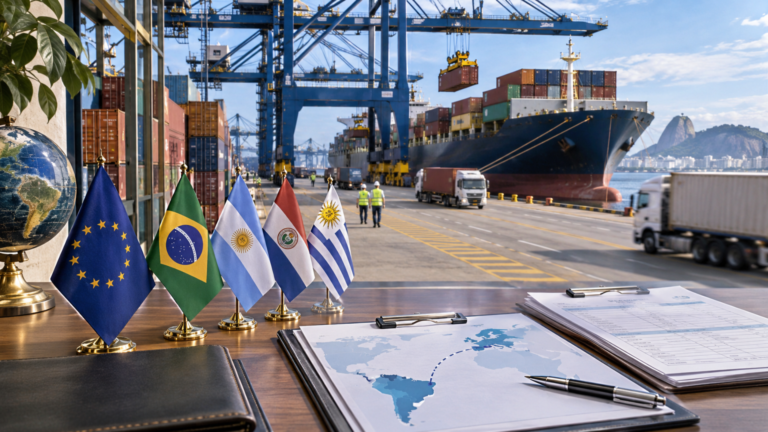
EU-Vietnam Free Trade Agreement (EVFTA)
L’European Union-Vietnam Free Trade Agreement (EVFTA), effective from 2020, is one of the main factors in attracting European and Italian companies to the Vietnamese market. The agreement provides for the gradual elimination of over 99% of customs duties on bilateral trade within a time horizon of about ten years, with immediate benefits for many categories of industrial and agribusiness products.
Already in the first years of its implementation, EVFTA has significantly improved market access conditions for European producers, reducing import costs and increasing the competitiveness of EU products against those from outside Europe. Sectors such as. machinery, electrical equipment, automotive, chemical, pharmaceutical, fashion and agribusiness turn out to be among the main beneficiaries of tariff reductions.
In addition to customs aspects, the EVFTA also introduces measures aimed at. Strengthen the protection of intellectual property, improve regulatory transparency and facilitate access to Vietnamese government procurement for European companies. For Italian companies, this translates not only into a direct economic benefit, but also into a more predictable regulatory framework aligned with international standards.
To take full advantage of the benefits of the agreement, however, it is essential to carefully check the rules of origin, the correct customs classification of products and compliance with documentary requirements, aspects that have a major impact on the effective application of tariff facilities.
Sectors of opportunity for Italian companies
Vietnam offers opportunities in several key sectors for Italian companies:
Industrial machinery and equipment: Growing industrialization and modernization of production lines are generating increasing demand for machinery and equipment for industry.
Agribusiness: Vietnam imported $57.9 billion worth of agri-food goods in 2023, with an annual growth of 32.7% over the 2023-2025 period. This signals a strong market expansion for quality food products, particularly those from Italy.
Fashion and textile: The textile sector is growing strongly, with increasing demand for Italian technical textiles and yarns, registering annual growth of 26.8%.
Infrastructure and logistics: Government plans for urban modernization and infrastructure improvement are driving growth in logistics and construction.
Pharmaceutical and chemical: As the health care system evolves and the average income rises, there is a growing demand for pharmaceuticals and chemicals, sectors where Italian companies can easily enter.
Marketing strategies for Vietnam
To succeed in the Vietnamese market, Italian companies must adopt targeted marketing strategies:
Product Adaptation: It is important to adapt products to meet the needs of the local market. Vietnamese consumers value quality and authenticity, but they are also price sensitive. Good value for money is therefore crucial.
E-commerce and social media: E-commerce is booming, and social platforms such as Facebook, Instagram, and TikTok are ideal tools for reaching Vietnamese audiences. Collaborating with local influencers can greatly increase brand visibility.
Sustainability: Vietnamese consumers are increasingly focused on sustainability. Italian companies that adopt environmentally friendly practices can enjoy a significant competitive advantage.
Logistical and operational considerations
Although Vietnam offers good infrastructure, companies must consider some logistical difficulties. Customs procedures can be complex, and businesses must comply with local regulations, including Vietnamese-language labeling and health certifications for food and cosmetics.
Establishing a branch or representative office can be an important step in establishing a direct market presence and simplify local operations.
Conclusion: Entering Vietnam successfully
With robust economic growth, a favorable investment environment, and growing demand for quality products, Vietnam offers great opportunities for Italian companies. The EU-Vietnam Free Trade Agreement (EVFTA) and the country's increasing digitalization are factors that make Vietnam a particularly attractive market. By adopting a targeted marketing strategy and carefully addressing logistical and regulatory issues, Italian companies can achieve excellent results in this emerging market
Frequently Asked Questions
Why is Vietnam an interesting market for Italian companies that want to export?
Il Vietnam combina crescita economica, domanda interna e accesso preferenziale per l’Europa. Nel 2024-2025 il PIL è cresciuto attorno al 6-6,5% annuo, la popolazione supera i 100 milioni con età media sotto i 35 anni e la classe media è in espansione, orientata verso prodotti di qualità e brand internazionali. È anche un punto d’ingresso verso l’area ASEAN.
Che cos’è l’accordo di libero scambio UE-Vietnam (EVFTA) e quali vantaggi dà agli esportatori italiani?
L’EVFTA è l’accordo di libero scambio tra Unione Europea e Vietnam, in vigore dal 2020. Prevede l’eliminazione progressiva di oltre il 99% dei dazi entro circa dieci anni, e rafforza la tutela della proprietà intellettuale, la trasparenza normativa e l’accesso agli appalti pubblici vietnamiti. Riduce i costi di importazione e rende i prodotti UE più competitivi.
Cosa bisogna verificare per ottenere le agevolazioni tariffarie dell’EVFTA quando si esporta in Vietnam?
Per ottenere le agevolazioni tariffarie dell’EVFTA occorre controllare tre elementi: le regole di origine dei prodotti, la corretta classificazione doganale e il rispetto dei requisiti documentali previsti. Errori su questi aspetti possono impedire l’applicazione effettiva delle riduzioni dei dazi, annullando il vantaggio competitivo che l’accordo garantisce alle imprese europee.
Which Italian sectors have the most sales opportunities in Vietnam?
The sectors with the most opportunities are machinery and industrial equipment, agro-food, fashion and textiles, infrastructure and logistics, pharmaceuticals and chemicals. Vietnam imported agro-food products worth $57.9 billion in 2023, while Italian technical textiles and yarns are growing at an annual rate of 26.8%. Machinery, automotive, and electrical equipment also benefit from the EVFTA tariff reductions.
Which marketing strategies work to sell Italian products to Vietnamese consumers?
Product customization, digital presence, and attention to sustainability are all working. Vietnamese consumers value quality and authenticity, but are sensitive to price. Therefore, the price-quality ratio matters. E-commerce and social media platforms like Facebook, Instagram, and TikTok, with local influencers, also increase brand visibility. Ecological practices provide a competitive advantage.
What regulatory and logistical requirements do I need to consider for exporting food and cosmetics to Vietnam?
Per alimentari e cosmetici servono l’etichettatura in lingua vietnamita e le certificazioni sanitarie, oltre al rispetto delle normative locali. Le procedure doganali possono essere complesse. Per presidiare il mercato e semplificare le operazioni, un’impresa può costituire una filiale o un ufficio di rappresentanza in Vietnam.
SHARE ARTICLESassy Social Share
If you want to learn more about the content of this article






 Italian
 English