We find out about the new Budget measures in India just released by the Indian government.
In fact, India's seasoned finance minister, Pranab Mukherjee, presented the Budget (a programmatic instrument of the Government of India that defines the development policies mapped out for the short to medium term, it is an equivalent of our budget) for the coming financial year 2011/12.
The objectives set are diverse: strengthening and consolidating the country's growth, which must occur in a more balanced way, controlling the public deficit, supporting the weakest social classes, and increasing tax revenue. Based on the new Budget, Mukherjee ha previsto una crescita del PIL superiore al 9% per il 2011/2012, ed un ridimensionamento del deficit dal 5.1% di quest’anno al 4.6%, soprattutto grazie alle entrate fiscali. Il Ministro Indiano ha inoltre ipotizzato un piano di indebitamento inferiore alle previsioni, grazie ad un contenimento del deficit a tassi sempre più bassi per i prossimi 3 anni.
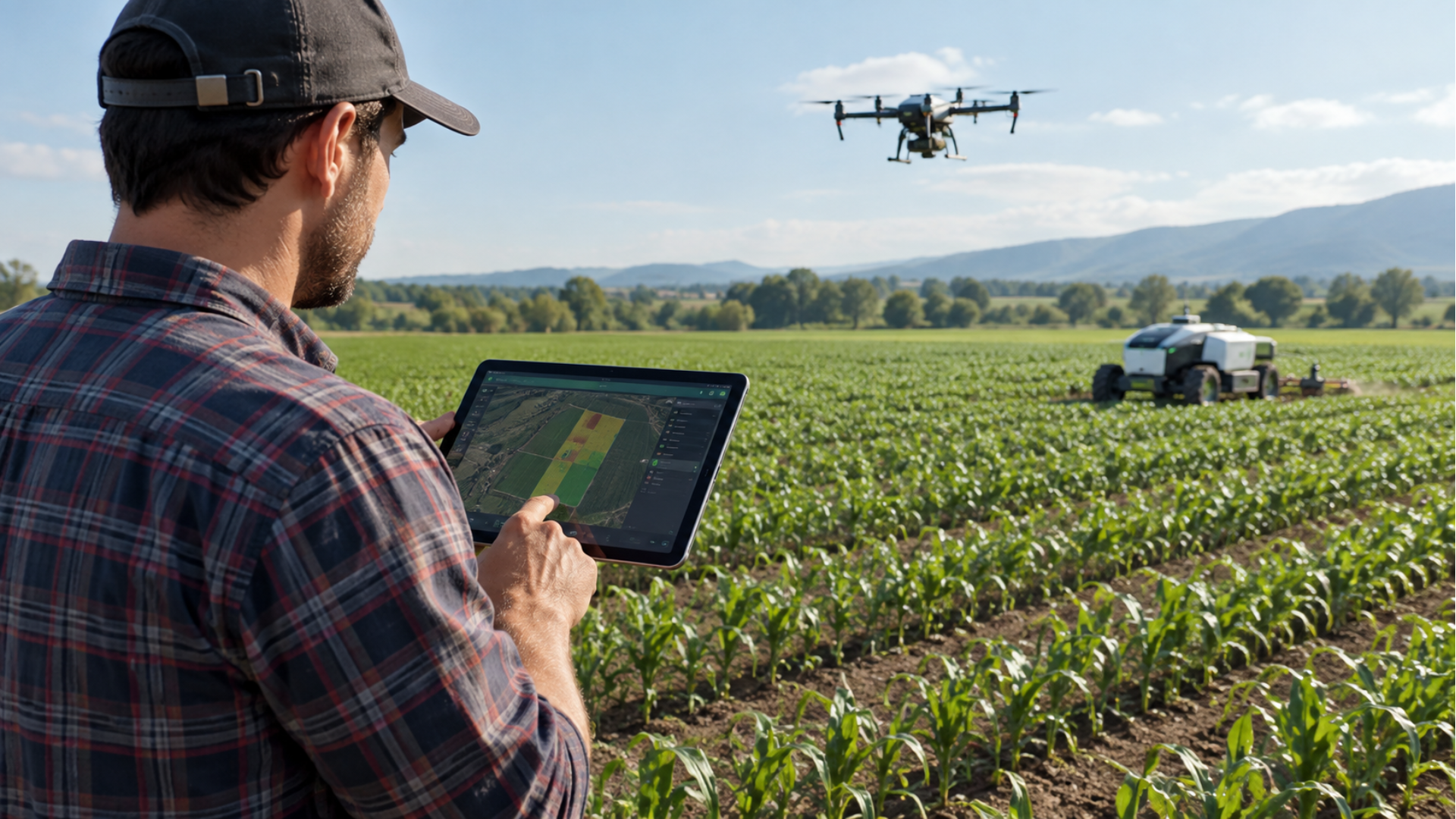
The Government, for the growth of the Indian economy, is focusing primarily on the growth of the agricultural and infrastructural sectors. Sustainable growth must be based especially on these two sectors, considered of vital importance for the country's economy: an improvement in agricultural production and infrastructure would enhance the country's productivity in the medium and long term, ensuring a reduction in inflation.
Specifically, to boost the agricultural sector (to realize the gravity of the problem, suffice it to say that on the food front, inflation is reaching double digits), the Government has developed the RKVY (Rashtriya Krishi Vikas Yojana, or National Agriculture Development Programme), a plan of primary importance in Budget, il cui fine è garantire acquisti di cereali a basso prezzo ai più poveri attraverso lo stanziamento di una cifra pari a 78.6 miliardi di Rupie Indiane (1.3 miliardi di Euro) rispetto ai 67.5 del 2010/11. In India circa 450 milioni di indiani vivono sotto la soglia di povertà con poco più di un dollaro al giorno: le misure intraprese intendono dunque aiutare le fasce meno abbienti della popolazione grazie ad un aumento della spesa sociale del 17% e ad una serie di prestiti agevolati per l’agricoltura. A tal fine, il Governo prevede di attirare investimenti di capitale per il miglioramento di tale industria e rafforzare l’industria della conservazione degli alimenti.
Another objective of New Delhi, the improvement of infrastructure, a sector considered absolutely essential and destined to play a key role in the country's development and economic growth. The amount allocated is equivalent to 2.140 trillion Indian Rupees (€35.6 billion), 23.3% higher than the amount allocated to the sector in 2010-11. This figure represents 48.5% before expenditures under the Budget. The Government intends to attract investments in the sector by incentivizing private foreign capital for faster project execution. To encourage foreign investors, the tax on interest payments for these funds has been reduced to a rate of 5% compared to the current 20%.
Investments also concern the banking, cement, oil, energy, automotive, and pharmaceutical sectors, as well as education (for which 24.5% more was invested compared to last year) and the financial sector (some changes were introduced in the Banking Regulatory Act (for the issuance of new banking licenses). Other measures also include an increase in FII (Foreign Institutional Investor) limits from 5 to 25 billion USD (18 billion Euros), which can also be invested in unlisted bonds for a period of three years: this measure is primarily aimed at facilitating the process of FDI (Foreign Direct Investment) liberalization.
The Budget Furthermore, it aims to encourage and improve export efficiency. From a fiscal perspective, the changes will involve the adoption of a Direct Tax Code, effective April 1, 2012, an increase in the MAT (Minimum Alternative Tax), which has been raised from 18%to 18.5%, but which will not have negative repercussions for companies, and a reduction in the Corporate Tax from 7.5% to 5%.
ALSO READ:
The success of Italian companies in India
Internationalizing your business abroad: strategic choice or opportunity?
Digital export manager (DEM): internationalization in a digital context






 Italian
  English