Strategic sourcing and internationalization of enterprises
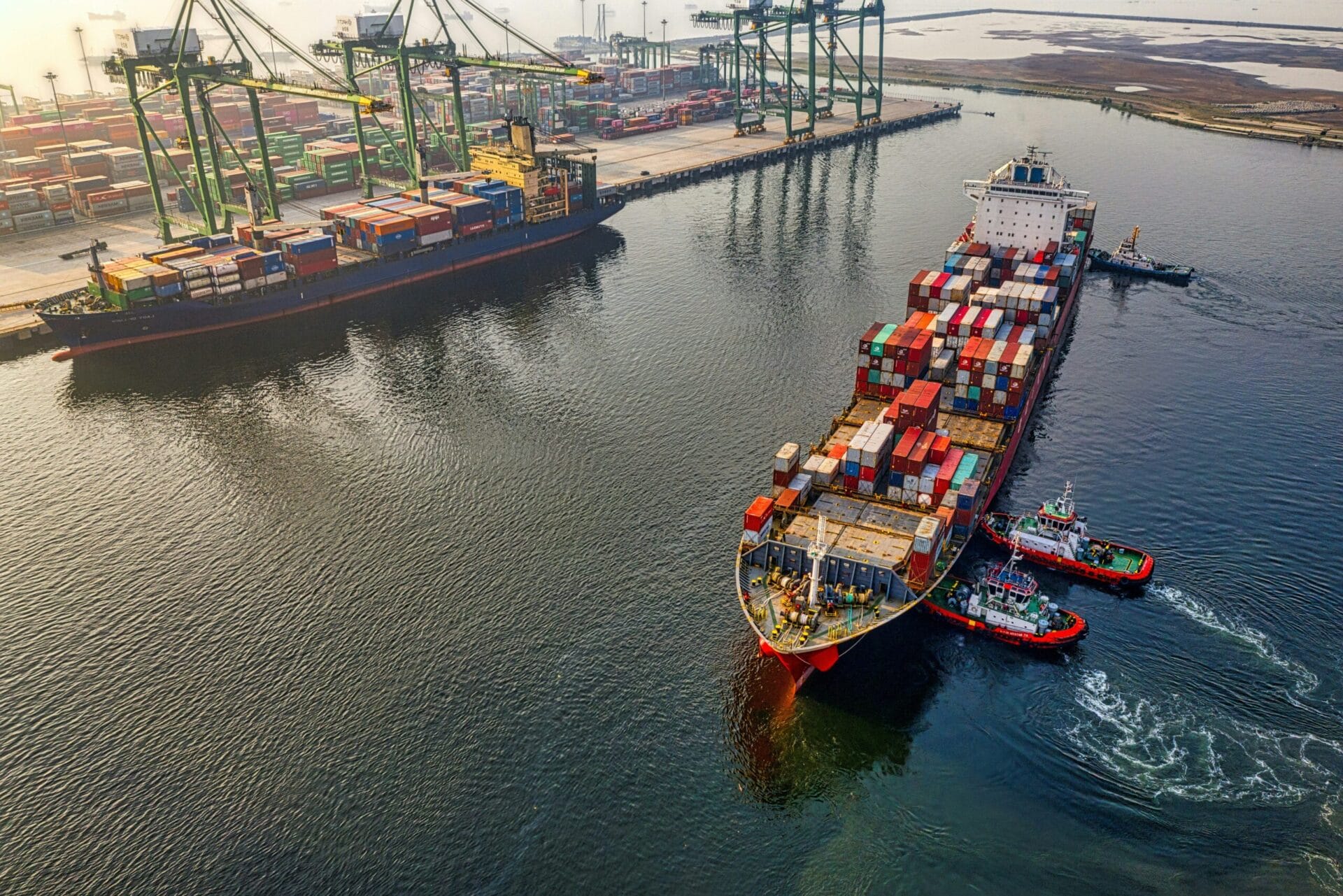
Lo strategic sourcing represents a significant paradigm shift from traditional export approaches, especially in a context where the supply chain global have been faced with challenges that are increasingly complex. In recent years, geopolitical contrasts have altered global trade flows, while commodity sourcing difficulties, amplified by market volatility, and natural disasters have compromised business continuity in many sectors. These critical issues have generated disruptions in operations, disruptions in international logistics networks, significant increases in shipping costs, and longer and more unpredictable delivery times.
In response to these issues, radical change becomes imperative. The supply chain must evolve toward more resilient models, capable of adapting quickly to crises, digitized to enable real-time and sustainable decisions, and capable of reducing environmental impact and waste without sacrificing operational efficiency. Within this scenario, the models of internationalization play a key role in redefining sourcing strategies that can respond to global dynamics and foster access to more diverse markets.
In this context, strategic sourcing focuses on key objectives such as the cost reduction related to the procurement of raw materials and components, the supplier diversification to mitigate risks and qualify business processes, and the’optimization of distances and time of delivery to simplify logistical complexity.
To achieve these goals, targeted actions are implemented, including the’in-depth market analysis to identify new procurement opportunities, the building strategic partnerships with key suppliers and the’adoption of advanced tools to monitor and improve supplier performance. These elements make it possible to create an integrated and proactive approach that can respond to global challenges with greater efficiency and competitiveness.
Stragegic sourcing: pecualiarity, stages and benefits
Lo strategic sourcing is distinguished by its goal of building solid, long-term relationships with suppliers, aiming to maximize benefits for the company and anticipate future needs. This approach is based on a comprehensive and strategic view, which considers the supplier not merely as a provider of goods or services, but as a key partner in business success.
In contrast, tactical sourcing focuses on quick responses to immediate needs, taking a transactional approach. Often, this results in unplanned purchases geared solely to lowest cost, without a thorough evaluation of the supplier's potential or long-term relationship. This approach risks neglecting crucial aspects such as:
The possibility of establishing strategic partnerships.
Lo exchange of know-how, technologies and skills.
The risk reduction In the supply chain.
Otherwise, strategic sourcing integrates these aspects into the management of the purchasing department, turning the relationship with the supplier into a extremely focused collaboration. This vision enables not only improved supply chain resilience and efficiency, but also value creation for the entire organization.
The benefits of strategic sourcing
To summarize, the strategic sourcing offers five main benefits that help improve the company's competitiveness and sustainability:
Shared innovation: strategic partnerships stimulate research and development projects, fostering continuous improvement of company products and services.
Risk reduction: constant scouting of alternative suppliers enables diversification of the supply chain, reducing vulnerability to unforeseen events.
Operational efficiency: the adoption of digital tools streamlines processes, reducing time and workloads, thus simplifying supply chain management.
Cost optimization: established relationships with suppliers allow an ideal balance between cost and quality to be achieved, going beyond the mere search for the lowest price.
Increased business flexibility: partnerships with innovative suppliers offer the ability to adapt quickly to market changes and new challenges.
The basic steps of the strategic sourcing
The strategic sourcing process has several stages, each of which is geared toward maximizing benefits to the enterprise, reducing risks and optimizing costs. The main stages of this process are:
Analysis of business needs and selection of strategic suppliers
The first step is to’Analyze the needs of the company and establish a hierarchy among suppliers based on their strategic relevance. For example, an automotive manufacturer might prioritize local suppliers for semi-finished products for a new plant by evaluating their technical and logistical characteristics.
Searching for ideal suppliers
Lo supplier scouting is crucial and must be based on clear and defined criteria, such as manufacturing capabilities, technical certifications or proximity to strategic infrastructure. The use of advanced digital tools, such as AI-based platforms, facilitates the process by providing targeted lists of potential suppliers.
Bid evaluation and final selection
Not all identified suppliers fully meet business needs. It is essential to analyze parameters such as the financial soundness, the production capacity and the price competitiveness. Solutions such as certified financial data or internationalization-specific supports help make more informed choices.
Negotiation and performance monitoring
Negotiation with suppliers is not only about price, but also about the creation of long-term synergies. For example, collaborations can be designed for shared research and development projects, increasing efficiency and reducing costs in the long run. In addition, continuous monitoring of supplier performance is essential to ensure compliance with agreements, adoption of sustainable practices, and timely correction of any critical issues in the supply chain.
Adopt the strategic sourcing therefore represents not only an operational choice, but an ikey investment to ensure the company's competitiveness and sustainable growth. Indeed, among the main difficulties facing SMEs in the context of increasing globalization is the ability to assess and understand their internationalization potential.
The Radar of internationalization offered by Octagona is a service designed to support the process of strategic sourcing, responding to the growing needs of Italian companies for international expansion. This service involves the design of customizable models, adaptable to the specific characteristics and needs of each company, with the aim of assessing the capabilities to undertake internationalization. The result is a comprehensive framework that guides companies in selecting the most suitable markets on which to focus their activities.
For more information, please feel free to contact us.
SHARE ARTICLESassy Social Share
If you want to learn more about the content of this article








 Italian
  English