Top-selling Italian products abroad: export trends and prospects to 2026
TLDR
In 2024, Italian exports exceeded 700 billion euros, confirming Italy as one of the top five exporters in the world, with continued growth also in 2025.
Machinery and capital goods account for about 18% of total exports and are the first Italian sector by exported value.
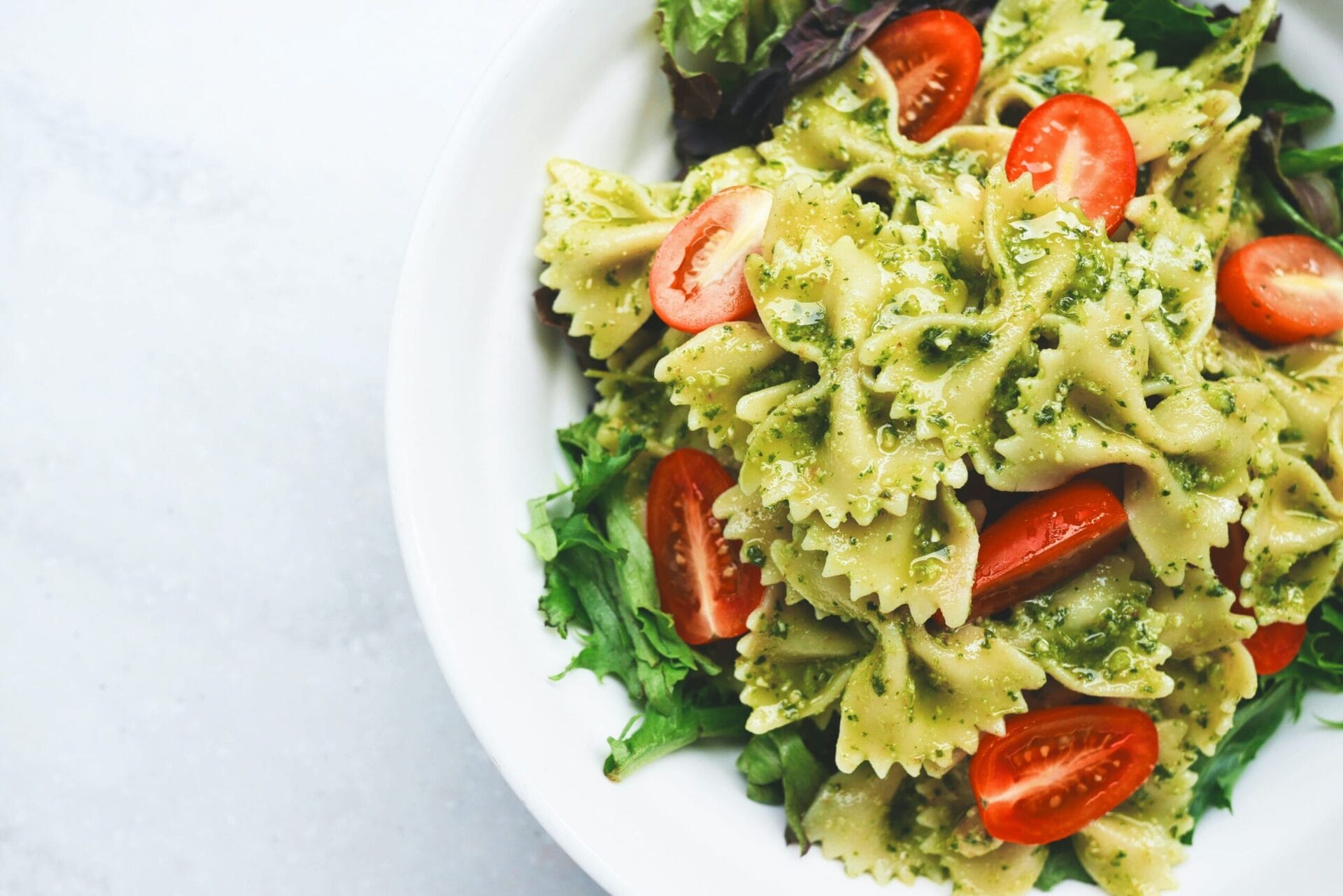
Agro-food exports reached approximately 67 billion euros in 2025, and Italy accounts for over 77% of European pasta exports.
According to MAECI data, the pharmaceutical sector recorded growth of over 30% on an annual basis in 2025.
In 2026, growth will depend less on volumes and more on the selectivity of markets, certifications, local presence, and a structured strategy of internationalization.
Index
The big picture of Italian exports
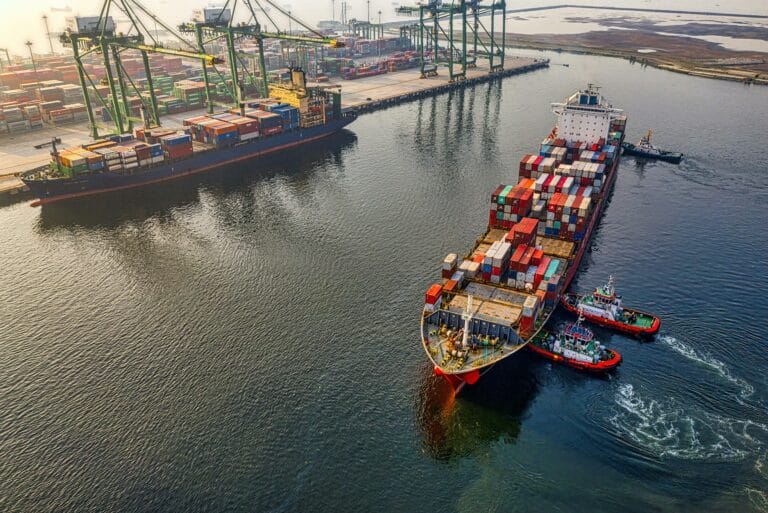
In 2024, Italy passed the historic threshold of the 700 billion euros in total exports, confirming itself among the top five global exporters. This result underscores the strength of Italy's industrial system, which continues to be a key pillar of the country's economy, contributing significantly to the national GDP. According to the Eurostat data and analyses of the Ministry of Foreign Affairs and International Cooperation, Italy's exports showed steady growth in 2025, with major increases especially in high value-added sectors, such as industrial machinery, advanced technology products, automotive, e high quality agribusiness sector.
Special attention was paid to exports to the Non-EU countries, which have seen significant expansion, thanks to a sharp increase in demand for products made in Italy in emerging and developed markets, including the United States, India, China, Japan and the Middle East. The agribusiness sector, in particular, posted record results, with continued growth in exports of wine, pasta, olive oil and cheeses. Compartments related to the precision mechanics, at the robotics and to the’pharmaceutical industry have benefited from the growing openness of global markets, with increased sales in Asia and Africa.
For the 2026, forecasts indicate a more selective environment, with growth less tied to volume and more focused on the product quality and on the’technological innovation. The ability to preside over complex markets, such as those in Asia or Latin America, will become crucial, with a focus on the sustainability of production processes and to the product certification to gain preferential access to regulated markets and increasingly oriented toward strict environmental policies.
Machinery and capital goods: the heart of Italian exports
The compartment of machinery and industrial equipment represents about the 18% of total Italian export, confirming it as the leading sector by exported value. Italian companies are particularly competitive in automation machinery, packaging, metalworking, food processing and specialized mechanics.
In 2025, the sector benefited from the recovery of industrial investment in North America, the Middle East, and Asia, a trend estimated by the European Commission is expected to continue in 2026, supported by the energy transition and digitization of production processes.
Agribusiness: structural growth and premium positioning
L’Italian agribusiness continues to show very positive performance. In 2025, the industry's exports reached about 67 billion, driven by iconic Made in Italy products such as wine, pasta, olive oil and baked goods.
Particularly relevant is the data on the pasta, of which Italy represents more than the 77% of European Exports, with about 2.2 million tons exported in 2024. The wine sector also maintains a prominent position in international markets, especially in the United States, Germany and Canada.
Looking ahead to 2026, growth opportunities for Italian agribusiness will be increasingly linked to the ability to differentiate the product, properly manage local regulations and protect the value of appellations of origin.
Fashion, textiles and leather goods: resilience and repositioning
The sector textile-clothing-leather goods represents about the’11% of Italian export. After difficulties related to the contraction of global consumption, the industry is showing signs of stabilization, with growing demand for mid- to high-end and luxury products.
In 2026, the competitive positioning of the industry will increasingly depend on the ability to preside over non-EU markets, particularly the United States, the Middle East and Asia, and to integrate sustainability, traceability and branding within export strategies.
Pharmaceuticals and chemicals: the fastest growing sectors
Prominent among the most dynamic sectors of Italian exports is the pharmaceutical, which in 2025 recorded a growth of more than the 30% on an annual basis, according to MAECI data. The chemical sector also showed solid performance, supported by international demand for specialized and high-tech products.
The outlook to 2026 indicates a consolidation of these sectors, boosted by investment in research, advanced production capacity and increasing integration into global value chains.
Outlook to 2026: less volume, more strategy
Analysis of the latest data suggests that the future of Italian exports will not be driven solely by volume growth, but by:
Greater selectivity of target markets;
Strengthening local presence in key markets;
attention to regulations, certifications and non-tariff barriers;
Integration of export, foreign direct investment and industrial partnerships.
Against this backdrop, 2026 looks set to be a year in which Italian companies will have to Move from an opportunistic logic to a structured internationalization strategy.
Conclusions
The best-selling Italian products in the world continue to be the expression of a solid, diversified industrial system capable of competing in global markets. However, the evolution of the international context makes it increasingly necessary to flank product quality with a conscious entry strategy, based on market analysis, understanding of local dynamics and medium- to long-term planning.
For Italian companies looking ahead to 2026, export is no longer just a matter of foreign sales, but a strategic path of international growth, to be built methodically and with the support of specialized expertise.
Frequently Asked Questions
What are the most sold Italian products abroad in 2025?
The most sold Italian products abroad are machinery and capital goods, agro-food products, fashion and leather goods, pharmaceuticals and chemicals. Machinery accounts for about 18% of total exports, textiles and clothing and leather goods for about 11%, while agro-food products have reached about 67 billion euros, driven by wine, pasta, olive oil and baked goods.
How much is Italian exports worth and what position does Italy occupy among global exporters?
In 2024, Italian exports exceeded the historic threshold of 700 billion euros, placing Italy among the top five global exporters. According to Eurostat and MAECI, growth continued in 2025, especially in sectors with high added value and towards markets outside the EU, such as the United States, India, China, Japan, and the Middle East.
How much pasta does Italy export and in which markets does Italian wine go?
Italy accounts for over 77% of European pasta exports, with approximately 2.2 million tons exported in 2024. Italian wine maintains a prominent position, especially in the United States, Germany, and Canada. To grow further, it is necessary to differentiate the product, comply with local regulations, and protect appellations of origin.
Which sectors of Italian exports are growing the most, and why is the pharmaceutical sector among them?
Pharmaceuticals is among the most dynamic sectors: in 2025 it recorded growth of over 30% on an annual basis, according to data from the MAECI. Chemistry also showed solid results, thanks to international demand for specialized and high-tech products, supported by investments in research and advanced production capabilities.
How will Italian exports change in 2026 and what strategies must SMEs adopt?
In 2026, Italian exports will be more selective, with growth driven by quality, innovation, and sustainability rather than volume. Companies will have to carefully choose markets, strengthen local presence, manage regulations, certifications, and non-tariff barriers, and integrate exports, foreign investments, and industrial partnerships, moving from an opportunistic logic to a structured strategy.
Which markets outside the EU are most relevant for the export of Made in Italy products?
The most relevant non-EU markets for Made in Italy are the United States, India, China, Japan and the Middle East, where demand for Italian products has grown significantly. Machinery and fashion also account for North America and Asia, while by 2026 it will become crucial to dominate complex markets such as those in Asia and Latin America.
SHARE ARTICLESassy Social Share
If you want to learn more about the content of this article












 Italian
 English