In 2026, China remains one of the world's most important markets due to its economic size, industrial capacity, and consumption potential, but it has become much more selective and regulated.
For Italian companies interested in developing exports, commercial partnerships, or a direct presence, the Chinese market still offers concrete opportunities in premium and high-value-added segments, provided a clear strategy and a truly localized approach are adopted.
Context 2026: Why China Remains a Strategic Market
China confirms itself as one of the main global economies, with a GDP exceeding 18 trillion dollars according to estimates by World Bank and International Monetary Fund.Although growth rates are more moderate than in the past, the country maintains absolute centrality in international economic balances. China's strategic relevance derives from several factors. Firstly, the domestic market remains huge. A population over 1.4 billion people and a large urban middle class continue to generate demand in numerous sectors, from consumer goods to industrial products. Secondly, China possesses a Advanced Industrial Structure and integrated, capable of attracting investment, developing innovation, and maintaining strong international competitiveness.
Finally, the country is investing heavily in: digitalization, artificial intelligence, electric mobility, industrial automation, energy transition, and advanced infrastructure. For the Italian companies in 2026, this means facing an evolved market, where the quality of Made in Italy can still represent a competitive advantage, especially in premium and high value-added segments.
The new Chinese economic scenario in 2026
Compared to ten years ago, China's economic model has changed significantly. Growth is no longer solely based on low-cost manufacturing exports and real estate investment, but is increasingly oriented towards domestic consumption, technology, and advanced industry.
One of the main drivers is represented by the expansion of urban middle class, composed of consumers with greater spending power and higher expectations in terms of quality, safety, purchasing experience, and brand reputation. In parallel, China is accelerating its global technological positioning through Targeted industrial policies. The strengthening of high-tech sectors generates demand for components, know-how, production technologies, and international collaborations. The process of urbanization and the growth of second and third-tier cities are also expanding the market beyond the traditional hubs of Shanghai, Beijing, Shenzhen, and Guangzhou.
For Italian businesses, it is therefore fundamental to understand that today there is not just one China, but multiple internal markets with different characteristics in terms of income, tastes, distribution channels, and speed of development.
The most promising sectors for Made in Italy in China
Food and beverage
The agribusiness sector remains one of the most interesting areas for Italy. The Chinese consumer, especially in large cities and among the middle to upper income brackets, associates Italian products with food safety, authenticity, and a European lifestyle. After years of growth, the market is now more mature and aware: it is no longer enough to be “imported”; one must communicate quality, origin, and distinctive value. The categories that continue to show the greatest potential include wine, premium pasta, extra virgin olive oil, quality baked goods, select cheeses, and gourmet ingredients. There is also growing interest in healthy foods, natural products, and items related to the Mediterranean diet.
To be successful, however, it is essential to work on market education, appropriate packaging, brand storytelling, and the selection of the correct distribution channel. In many cases, the Chinese consumer buys an Italian product also for what it represents in terms of lifestyle and status.
Fashion, luxury, and lifestyle
China remains one of the most important markets in the world for fashion and luxury, even though consumer behavior has changed. Today's Chinese customer is more sophisticated, informed, and selective: they know the brands, compare quality, and seek authenticity. Italian companies continue to be strong in segments such as premium clothing, leather goods, footwear, eyewear, jewelry, and accessories. The value of "Made in Italy" is linked not only to product quality but also to company history, artisanal craftsmanship, and design culture.
Alongside traditional luxury, the Italian lifestyle market is also growing: high-end furnishings, home décor, designer objects, and furniture accessories are finding space with an evolved urban clientele that is increasingly investing in the quality of their domestic environment. In this sector, it is crucial to safeguard brand reputation and build consistent communication on Chinese digital channels.
Mechanics and industrial machinery
One of the most strategic sectors for Italy in China remains that of instrumental mechanics. Despite the strong growth of local manufacturers, there is still significant demand for European technologies in premium segments, where precision, reliability, and production continuity are decisive factors. The most interesting opportunities concern industrial automation, packaging machinery, food processing equipment, machine tools, advanced components, and energy efficiency technologies. Many Chinese companies are investing in qualitative improvements in production and plant modernization. In this scenario, Italian manufacturers can position themselves not just as machine suppliers, but as technological partners capable of increasing productivity, reducing waste, and improving industrial performance. However, success requires local presence, rapid technical assistance, and the ability to adapt products to Chinese standards.
Cosmetics and Personal Care
Consumers, particularly young urban women and the middle-upper income bracket, invest heavily in personal care, skincare, and wellness. Italian companies can find opportunities in the premium and specialized segments by highlighting elements such as formulation quality, safety, natural ingredients, packaging design, and the aspirational image of the Italian lifestyle. Demand is particularly strong for high-end skincare, anti-aging products, luxury haircare, dermocosmetics, and clean beauty products. Furthermore, there is a growing focus on sustainable products with transparent ingredient lists. The digital channel is central, with many purchasing decisions originating from online reviews, live streaming, and social commerce.
Furnishings, design, and home living
A sector often underestimated but very interesting is that of furniture and interior design. The growth of affluent urban segments and increased attention to quality of living are creating demand for premium furniture, kitchens, decorative lighting, surfaces, and furnishings.
Italian design maintains a very strong reputation thanks to elegance, innovation, and design capability. In particular, high-end residential projects, hospitality, and premium real estate represent interesting outlets.
Exporting from China: Regulatory Aspects and Compliance Requirements
What are the most critical regulatory aspects for exporting to China in 2026? In many sectors, Italian companies must manage product registrations, local certifications, Chinese language labeling, trademark protection, and correct customs documentation, in addition to specific rules for e-commerce.‑e-commerce and digital data.
Product registrations, local certifications, and authorizations. In 2026, exporting to China requires careful regulatory oversight, as many business operations can slow down or halt without proper regulatory planning. Depending on the sector, product registrations, local certifications, health authorizations, or specific technical documentation may be required. For Italian companies, it is crucial to understand which Chinese authorities are involved, which authorization procedures are mandatory, and when to initiate the paperwork, in order to avoid sudden blockages or shipping delays.
Chinese language labeling and mandatory standards
A particularly relevant aspect concerns labeling, which often must comply with Chinese standards and include mandatory information in the local language. Errors or omissions on the label can lead to disputes, seizures, or requests for refunds.‑merchandise processing. It is therefore essential to verify in advance what information must appear, in what format, and with what regulatory references, adapting the packaging to market expectations and the requests of control authorities.
Trademark Protection in China: Why Register in Advance
It is also essential to proactively protect the trademark, as the Chinese system is based on the “first to file” principle, rewarding whoever registers the brand first. This means that a local party could register an Italian trademark not yet protected in China, creating significant problems with name usage, positioning, and access to distribution channels. To reduce this risk, trademark registration in China should be considered a preliminary step of the export project, to be planned before starting promotional activities, trade shows, or structured sales.
Customs documentation and correct product classification
Great attention must also be paid to customs documentation, correct product classification, and any technical standards required for certain product categories. Incorrect classification can lead to incorrect duties, disputes, additional inspections, or border holds. Working with experienced freight forwarders and customs brokers familiar with the Chinese market helps in correctly setting HS codes, product descriptions, preferential origin, and accompanying documents.
Regulations for‑commerce, data, and digital platforms
For companies active in the e‑Commerce in digital services is finally seeing an increase in the importance of regulations related to data, advertising, and online platforms. China has introduced stricter rules in recent years on personal data management, cybersecurity, advertising content, and the operation of major digital platforms. Italian companies intending to sell through marketplaces, social commerce, or their own sites must therefore verify hosting requirements, data management, authorizations, and permitted communication methods.
Risks and new complexities of the Chinese market in 2026
What are the main risks for Italian companies exporting to China in 2026? China remains a strategic market, but it requires a much more selective and structured approach than in the past. Opportunities are still relevant; however, the competitive, regulatory, and geopolitical context has become more complex and can significantly impact Italian companies' export projects.
Local competition is getting stronger
A first critical issue concerns the growing local competition. Chinese companies are no longer competing solely on price, but have developed increasingly advanced technological capabilities, design, digital marketing, and speed of execution. In many sectors – from cosmetics to mechanics, from electro‑In consumer goods commerce, local brands are much stronger and better positioned today than in the past. For this reason, Italian companies must focus on clear, distinctive, and difficult-to-replicate positioning, emphasizing quality, reliability, and brand content.
Rapid evolution of consumers and digital trends
A second element of complexity is represented by the rapid evolution of consumers. The Chinese consumer is more informed, digital, and selective: they compare products and brands, follow online reviews, and are often influenced by social commerce, live streaming, and generational trends. Preferences can change quickly, requiring constant market monitoring and a greater capacity for adaptation than in other countries. Italian companies that do not have a presence in local digital channels risk losing visibility and relevance, even with a good product.
Geopolitical tensions and their impact on supply chains and tariffs
This is compounded by geopolitical and trade tensions, which can impact supply chain, tariffs, export controls, technology transfer, and data management. Even companies not operating in sectors considered sensitive must consider these factors in their long-term strategy, because any regulatory changes or restrictions can slow down ongoing projects or alter their profitability. Planning alternative scenarios and assessing the level of exposure to geopolitical risks has therefore become an integral part of export management to China.
Regulatory complexity and the need for continuous updating
An additional risk concerns regulatory complexity. Regulations on import, labeling, certifications, intellectual property, cybersecurity, and data protection can change rapidly and require constant monitoring. Inadequate compliance can lead to delays, customs blockages, sanctions, or loss of credibility with partners and customers. For Italian companies, it is therefore essential to establish continuous monitoring of regulatory changes and work with specialized partners who can correctly interpret these changes.
Choosing a local partner and the importance of due diligence
Finally, choosing the right local partner remains one of the most delicate points. An inadequate distributor, importer, or commercial partner can compromise brand positioning, generate commercial conflicts, or slow down market development. For this reason, due diligence of the partner must be considered an essential phase of the export project, not an accessory step. Verifying financial stability, reputation, the portfolio of brands managed, and real commercial development capabilities is a fundamental step in reducing operational risks.
How to build an effective market entry strategy for China
In 2026, China is undoubtedly a market of great interest for Italian companies, but it can no longer be approached with standardized or opportunistic methods. The country still offers significant opportunities in sectors where "Made in Italy" expresses a recognizable competitive advantage: quality, design, technology, safety, sustainability, and brand value.
At the same time, the Chinese market has become more mature, selective, and competitive. To succeed, it's not enough to export a good product: you need to build a Entry strategy consistent, protect the brand, adapt communication and distribution channels, ensure regulatory compliance, and develop solid local relationships.
The Italian companies that can achieve the best results are those capable of combining strategic vision and executive capacity. This means carefully choosing priority regional markets, identifying reliable partners, integrating online and offline channels, investing in brand localization, and constantly monitoring regulatory and competitive developments.
In summary, China remains an important driver of international growth, but requires method, continuity, and adequate investment. For well-prepared Italian companies, the Chinese market can still represent not only an important export destination but also a strategic platform to strengthen their presence in Asia and compete in one of the most dynamic economic ecosystems in the world.
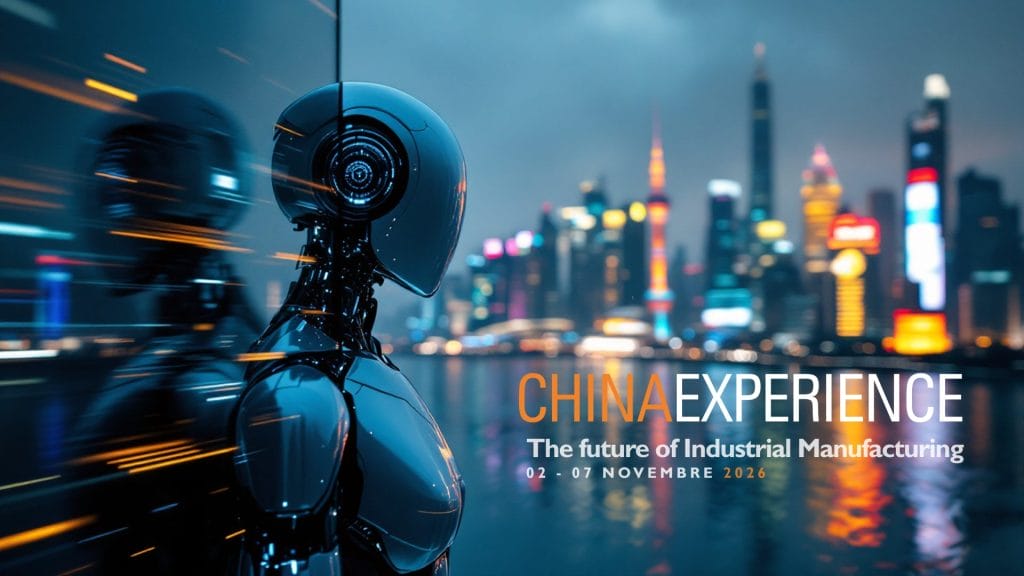
China Experience: The Future of Industrial Manufacturing
Method, localization, and strategic vision are the true critical success factors today. To concretely support companies in a growth path towards the Chinese market, the group Bonfiglioli Consulting has developed the program China Experience, an immersive initiative that combines Visit local industrial excellences, Meetings with Chinese managers and entrepreneurs and strategic training moments guided by market experts.
The path is designed to offer a direct and concrete view of how companies operate in China today, allowing participants to understand competitive logic on the ground,Organizational models and innovation dynamics. A high-value opportunity for those who want to accelerate their market understanding and quickly translate it into more informed operational decisions.
What are the first steps to start an export project in China in 2026?
The first step is to verify if the product is exportable and which regulatory requirements apply: product registrations, local certifications, Chinese language labeling, and trademark protection. In parallel, it is useful to analyze demand, competition, and the most suitable distribution channels, in order to build a realistic and sustainable market entry plan for the company.
On average, how long does it take to enter the Chinese market with a new product?
For a structured export project to China, a timeframe of 12-24 months is realistic, encompassing preliminary analysis, regulatory compliance, registrations, partner selection, and initial sales. The timeline can be reduced if the company already has export experience and well-organized technical documentation, but it's risky to set expectations based on “quick” results.
Which sectors offer the greatest opportunities for "Made in Italy" in China today?
In 2026, Made in Italy will maintain strong potential in China, particularly in premium agri-food and beverage, fashion, luxury and lifestyle, advanced industrial machinery, high-end cosmetics, and furniture/design. In these sectors, quality, safety, design, and brand value remain distinctive elements for Chinese consumers and local industrial operators.
What are the main risks for Italian SMEs wanting to export to China?
The main risks include lack of trademark protection (the “first to file” principle), choosing unsuitable local partners, underestimating regulatory complexity, and the absence of an effective digital presence on Chinese channels. Added to this are the possible consequences of geopolitical tensions and rapid regulatory changes, which can affect tariffs, inspections, and supply chains.
Does it make sense to maintain a presence on Chinese digital channels even for B2B projects?
Yes, because even in B2B, Chinese interlocutors look for information online, verify brand reputation, and expect localized content. Being present in a structured way on professional platforms, local search engines, and industry-specific digital channels helps strengthen credibility, generate qualified leads, and support the work of business partners in the territory.
SHARE ARTICLESassy Social Share
If you want to learn more about the content of this article










 Italian
  English