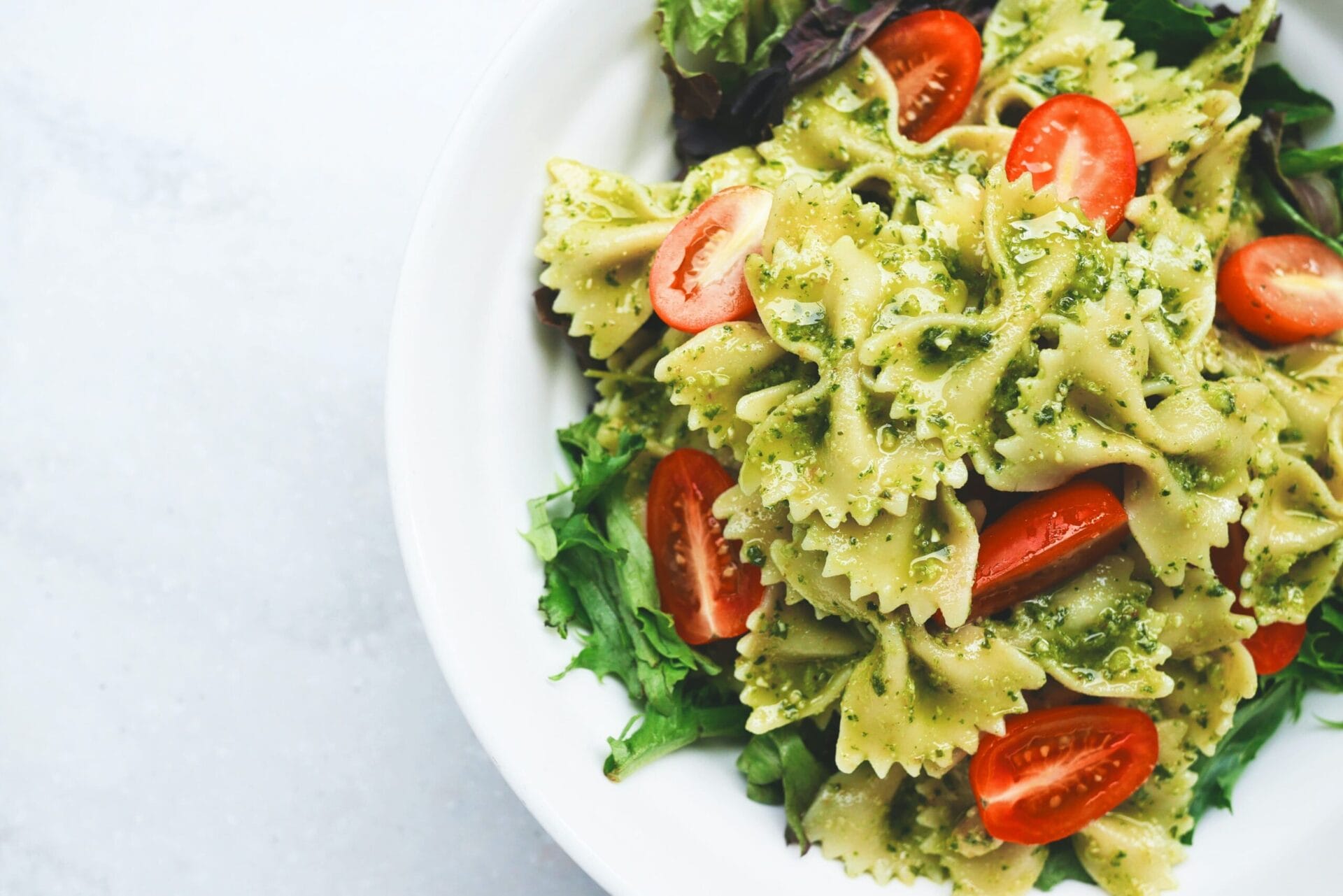
Did you know that one out of every three packages of pasta in the United States is made in Italy?
Italy is the country of pasta. This is nothing new since on average, an Italian consumes 23 kg of pasta per year: this is the highest figure in the world, far outpacing consumers in Tunisia (17 kg per year) and Venezuela (13 kg), who round out the podium.
But not only that: Italy is also the leading global exporter of pasta, occupying as much as 30% of the market, with annual sales of 2.6 billion euros in 2021, according to a ranking compiled by the Observatory of Economic Complexity.
And if we look at who is the top importer in the world, we notice that U.S. imports 10% of all pasta produced.
In short, A business opportunity that needs no further explanation: Italian companies producing pasta, or otherwise engaged in the sector, can reap great economic benefits in Italy-US relations.
But what are the reasons why is the US such an attractive territory for Italian entrepreneurship? And why should our entrepreneurs point to the U.S. for their internationalization processes?
In this article we will discover data that answers these questions, we will understand How to export pasta to the United States according to the latest U.S. regulations, and we will learn how to maximize profits by increasing turnovers from the U.S. market to take full advantage of the business potential offered by this sector.
Pasta consumption in the United States
According to the most recent estimates by Monitor Deloitte for Intesa Sanpaolo, In the United States, one out of every three packages of pasta is made in Italy.
Indeed, U.S. pasta production is falling dramatically, with A decrease of 3% recorded in 2021. Indeed, the U.S. market had a passive balance: while exports were worth $710 million in 2021, imports topped $940 million.
And so here is how the Italian operators fit in: the average American consumer is increasingly attentive to the quality and safety of the food they put on the table. Characteristics that Italian food products, together with their unique taste and iconicity, know how to offer. And in the last three years, Italian exports of raw materials, finished products (considering both pasta and derived products) and sector technologies have experienced a real economic boom, reaching To touch the figure of $682 million (it was 488 million in 2018 alone).
And looking to the future, according to analysts, US will remain the favorite market for Italian pasta in the coming years, which will continue to be the top supplier for both raw material, machinery and technology, and finished product, with growth of 3.7% over the next 5 years.
How to export pasta to the United States
If you have read this far, you have surely realized what tremendous business opportunities may lie ahead for those in the food industry, and specifically pasta, in the United States. Now, however, let's study together What is needed and how to export pasta to the U.S..
Registration with the Food and Drug Administration (FDA)
First, as with all other food products, registration at the Food and Drug Administration (FDA). In detail, this is a regulatory requirement that all manufacturers with operational and/or legal headquarters abroad are required to comply with, as part of the “Public Health and Safety” law. Registration in such a registry is essential, as without FDA clearance you are placed on a Black List, leading to a ban on exporting all of the company's products to the US.
Once the application has been made, and all the paperwork has been initiated (care must be taken that the products you want to market do not fall into particular categories that need additional requirements), a registration number will be assigned to the identified production establishment. If you have several establishments, then you will have to obtain different registration numbers, for as many establishments as there are. Finally, for each of them, an FDA agent will need to be named, representing those manufacturing plants.
Labeling
Once FDA approval is obtained, the next step to be taken to market pasta in the United States is to Place the correct label on pasta packages..
According to U.S. regulations, the label for packaged foods (so not only pasta, but also canned foods, snacks, breads, cereals, frozen foods, and so on) must contain a description of the product, the net weight, the ingredients that were used, the name and address of the manufacturer, and the name of the importer.
In addition, the FDA requires that the information on nutritional values (or Nutrition Labels) be contained in a black framed box or other color printed on a white background and stipulates the precise measurements that the detail must have in relation to the total area of the wrapper containing the food product.
Preventive control
Finally, to market a processed food product in the U.S. market, all companies that register with the FDA will have to Also adopt a food safety management system.
The Preventive Controls for Human Food stipulate that the.’company adopts a system of preventive control procedures, based on risk analysis, H.A.R.P.C. - Hazard Analisys and Risk Based Preventive Controls.. To manage these procedures, the company will need to train a Preventive Controls Qualified Individual (PCQI) through a 3-day course taught by an FSPCA-qualified Lead Instructor (Food Safety Preventive Controls Alliance). Each certificate will correspond to an identification code of the PCQI, this figure can also be a qualified external consultant designated by the company, the so-called ’FDA Agent“.
Conclusions on the export of pasta to the United States
What are the prospects, then?
From the data presented, U.S. consumers will increasingly make use of Italian pasta. The road is certainly not easy, between regulatory hurdles and delicate bureaucratic steps, but with the support of a qualified consulting firm these initial problems can be easily overcome by the large profits that can be realized in the U.S. market.
Today, the United States is no longer just an option in the expansion strategies of Italian companies, but an almost obligatory path because of the continuity of profits it can offer
Internationalizing in the U.S. can be the winning choice To overcome the competition, boost the future and derive new profits: taking advantage of these opportunities allows you to To consolidate its growth path - both in terms of turnover and brand awareness.
Are you interested in learning more about business prospects in the United States? Octagona can help you.
With a direct presence in the U.S. market, thanks to offices in New York, Los Angeles and Miami, we can help you internationalize your company. Contact us and tell us about your export project; we will study together the best solution for your company.
DISCOVER OUR SERVICES:
International Advisory
Temporary Export Manager
Digital Export
ALSO READ:
Best internationalization strategies for 2023
Increasing foreign sales: the B2B strategy manual
What are the success factors of business internationalization?