South Korea: Italian exports of consumer goods soar
TLDR
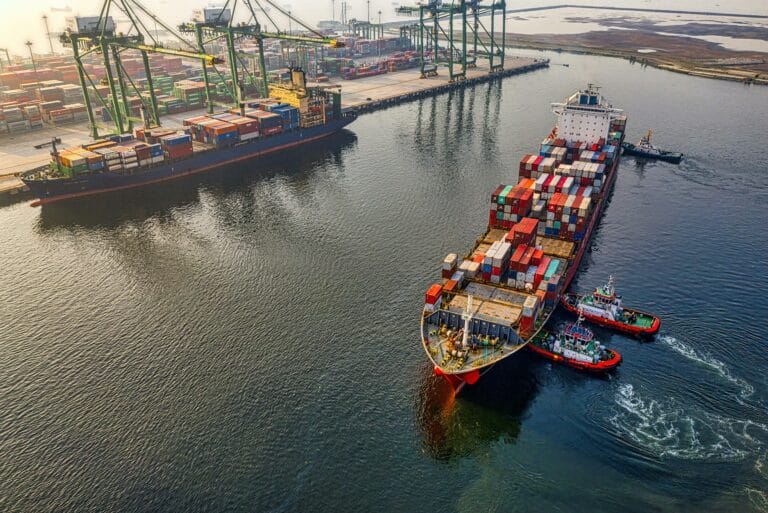
In 2022, South Korea is the third market for Italian exports in Asia, after China and Japan, with over 7 billion euros exported.
Italy-South Korea trade reached a record of 13.1 billion euros in 2022, after the 3.5% decline recorded in 2020.
High fashion and luxury account for more than 40% of Italian exports in the country, with a 24% growth in the 2021-22 biennium.
Korean food self-sufficiency is 45.8%, down from 70% in the 1990s, and opens up opportunities for Italian food products.
Korean imports of Italian food reached 500 million euros in 2022, with Italy being the twenty-first supplier but often among the top three in terms of typical products.
Index
In an increasingly globalized world, South Korea and Italy are united by a connection that transcends geographical and cultural differences: appreciation for Made in Italy consumer goods.. An affinity that has turned Italian products into true must-haves among South Korean consumers thanks to their reputation for quality, craftsmanship and timeless style, giving rise to a steadily growing import phenomenon from the Belpaese.
In South Korea, this concept has found fertile ground: late 2022, South Korea is the third largest market for Italian exports to Asia, behind China and Japan, Worth more than 7 billion euros exported in 2022. So much so that the interchange between South Korea and Italy has grown steadily over the past 10 years with the exception of 2020, when it contracted by 3.5%, reaching a record value of 13.1 billion euros in 2022. As mentioned, it is mainly exports that are growing, which in 2022 confirmed a trade balance firmly in the black for the Peninsula, with a surplus of more than $1 billion, the best among European Union countries after Germany.
In this sense, several Made in Italy sectors have experienced a real boom for Italian exports to South Korea in recent years: here they are presented in detail below.
Italian clothing export of increasingly valued
One of the sectors in which Italy has been extraordinarily successful in South Korea is clothing. Italian brands such as Gucci, Prada, e Versace have become synonymous with elegance and style among South Korean consumers. Just the’high fashion and luxury accounted for more than 40% of total Made in Italy exports in the country, with A growth of 24% in the 2021-22 biennium.
The size of the Korean fashion market is estimated at 33.9 billion euros in 2022 with a growth of 5.2% from the previous year. The market for apparel alone (excluding accessories such as footwear and handbags) amounts to 25.1 billion euros. Footwear amounts to about 5.36 billion euros, for growth over 2021 of 5.3%, while leather goods remains stable at about 2.14 billion euros.
Asia, Seoul is considered a fashion hub and leading city in the latest fashion trends. Top fashion names seek to profit from this, also taking advantage of the popularity of Korea's “Pop” culture (known internationally as HALLIYU), which has numerous followers internationally and acts as a powerful medium for spreading new trends.
Italian Cuisine as a Cultural Experience
Italian cuisine has long been a mainstay of food culture in South Korea. From pasta dishes and pizza to delicacies such as gelato and espresso coffee, Italian food is loved by young and old alike. Many Italian restaurants run by Italian chefs have settled in South Korea, offering authentic Italian culinary experiences. Italian wine, which has recently set a new export record in the country is another strength, with growing popularity among Korean consumers. Italian wines, renowned for their quality and variety, are increasingly in demand in restaurants and wine shops throughout the country. In addition recently, thanks to more and more tourists trying real Italian cuisine during a trip to our country, the need for original recipes is increasing.
Even more relevant is the figure for the food self-sufficiency rate: currently standing at 45.8%, has been gradually declining since the 1990s, when it exceeded 70%. Against this backdrop, there are thus ample opportunities for Italian food companies to enter the market, particularly for flour products, almost all of which come from abroad. It is thus that Korean food imports from Italy in 2022 touched 500 million euros, attesting Italy as the 21st supplier country. However, when one goes to analyze the main Made in Italy agri-food products (olive oil, pasta, cheese, coffee, etc.), Italy in many cases reaches the top three positions with far more significant market shares.
Skin care products: beauty the Italian way
The Italian focus on beauty and skin care is well known in South Korea, which is famous for its advanced beauty industry. Italian skin care products have become a popular choice among Korean consumers who seek effective and long-lasting results.
One of the main reasons for this popularity is the reputation of Italian cosmetics For the quality of the ingredients used in its products. Many Italian companies rely on natural ingredients, such as olive oil, lavender extract, spa water and honey, to create products that deeply nourish the skin and keep it healthy.
In addition, Italy is known for its advanced research in dermatology and cosmetology. This has led to the creation of innovative and scientifically tested formulations that address a wide range of skin problems, from acne to aging.
What future developments for export to South Korea?
The phenomenon of the attractiveness of Italian consumer goods exports to South Korea is growing steadily and promises to have a positive impact on trade between the two countries. The opportunities for Italian companies to expand into South Korea are numerous, and vice versa, South Korean consumers continue to show strong interest in what Italy has to offer.
In conclusion, Italy has won the hearts of Korean consumers through its reputation for quality, style and craftsmanship. This mutual affection has created a unique bond between the two countries, resulting in a continuous exchange of goods and cultures. With the promise of further collaboration and investment, Italian companies engaged in these sectors can profit handsomely from business relations with Korean counterparts.
How much is Italian exports worth in South Korea and what position does it hold among the Asian markets?
In 2022, Italian exports to South Korea exceeded 7 billion euros, making the country the third export market in Asia after China and Japan. The total trade reached a record of 13.1 billion euros, with a trade surplus for Italy.
What is Italy’s trade surplus with South Korea compared to other European countries?
In 2022, Italy recorded a trade surplus of over one billion dollars with South Korea. This is the best result among the European Union countries after Germany. The surplus is mainly due to the growth of exports, while trade has increased for almost a decade, with the only exception being 2020, when it fell by 3.5%.
How much do Italian fashion and luxury weigh on the Korean market and how big is the fashion market in South Korea?
High fashion and luxury account for over 40% of the total exports of Made in Italy in South Korea, with a growth of 24% between 2021 and 2022. The Korean fashion market is worth 33.9 billion euros (+5.2%): 25.1 billion in clothing, about 5.36 billion in footwear and 2.14 billion in leather goods.
Why do Italian food companies have export opportunities in South Korea?
The opportunities arise from the decline in South Korea’s food self-sufficiency, which has dropped to 45.8% from over 70% in the 1990s. Flour, for example, comes almost entirely from abroad. In 2022, food imports from Italy reached 500 million euros, and Italy is often among the top three suppliers of olive oil, pasta, cheeses, and coffee.
Which Italian cosmetics and skincare products are appreciated by Korean consumers?
Korean consumers appreciate Italian skincare products for the quality of their natural ingredients, such as olive oil, lavender extract, thermal water and honey. They also value Italian research in dermatology and cosmetology and scientifically tested formulations that are effective against skin problems ranging from acne to aging.
What role does Korean pop culture Hallyu play in the spread of Italian fashion in South Korea?
Korean pop culture, known as Hallyu, acts as a powerful vehicle for spreading new trends thanks to its numerous international followers. Seoul is considered an Asian fashion hub, and Italian fashion brands such as Gucci, Prada and Versace are seeking to capitalize on its popularity to strengthen their presence in the country.
SHARE ARTICLESassy Social Share
If you want to learn more about the content of this article







 Italian
 English