Exporting agricultural machinery in 2026 significa confrontarsi con uno scenario profondamente diverso rispetto a pochi anni fa. I mercati con le prospettive di crescita più rapida sono India, Africa subsahariana, Asia e America Latina, mentre Europa occidentale e Nord America restano mercati maturi e più competitivi. Allo stesso tempo, digitalizzazione, agricoltura di precisione e automazione stanno modificando rapidamente la domanda. Per le imprese italiane, sviluppare il business all’estero richiede quindi una strategia che integri analisi dei mercati, selezione dei partner, conformità normativa, assistenza tecnica e capacità di adattare l’offerta alle specifiche esigenze locali.
Macchine agricole italiane: un settore strutturalmente orientato all’export
La meccanica agricola rappresenta uno dei comparti nei quali il Made in Italy esprime una combinazione particolarmente efficace di competenza ingegneristica, capacità di personalizzazione e specializzazione produttiva. Trattori, macchine operatrici, attrezzature, componentistica, sistemi per l’irrigazione e soluzioni digitali costituiscono un ecosistema industriale articolato, composto da grandi gruppi ma anche da numerose PMI altamente specializzate.
Industry figures in 2025
I dati più recenti confermano il peso strategico dei mercati internazionali.
il valore complessivo della produzione italiana del settore ha raggiunto 14,3 miliardi di euro (+2,1% sull’anno precedente)
la componentistica è cresciuta del 7,6%, fino a 3,5 miliardi di euro
la produzione di ricambi e parti di macchina è salita dell’8,6%, a circa 1,3 miliardi di euro
total exports of agricultural machinery and equipment: approximately 6.7 billion euros (-1,7%)
operating machines and equipment: approximately 4.4 billion euros
tractors: 1.4 billion euros
trade balance of the sector: positive by about 4.6 billion euros
Questi dati mostrano come l’internazionalizzazione non rappresenti una possibilità accessoria per i costruttori italiani, ma una componente strutturale del loro modello di business.
The global market is changing: a new geography of agricultural mechanization
The main transformation characterizing the sector in 2026 concerns the geography of demand.
Negli ultimi anni molti mercati maturi hanno attraversato una fase di rallentamento determinata dalla riduzione della redditività agricola, dall’aumento dei costi di finanziamento, dalle tensioni geopolitiche e da nuove politiche commerciali. Nel 2025 le vendite di trattori hanno registrato flessioni significative negli Stati Uniti, in Germania, Francia e Regno Unito. Parallelamente, altri mercati stanno mostrando tassi di crescita molto più elevati.
Questa evoluzione non significa che la domanda mondiale di macchinari agricoli stia diminuendo in maniera strutturale. Al contrario, le esigenze legate all’aumento della produzione alimentare, alla scarsità di manodopera, alla gestione delle risorse naturali e alla necessità di migliorare le rese agricole continuano a sostenere la meccanizzazione.
The FederUnacoma 2026-2029 forecasts
FederUnacoma estimates that international trade in agricultural machinery may return to growth during the period 2026-2029 a un ritmo medio dell’1,9% annuo, reaching about 92.5 billion euros at the end of the period.
Sub-Saharan Africa: +4,8%
Asia: +3,8%
Latin America: +2,9%
For Italian companies, it therefore becomes essential to move beyond a strategy focused exclusively on Western Europe and North America and to analyze the new centers of global demand with greater attention.
Market
Key fact
2026-2029 Outlook
India
Approximately 1.1 million tractors sold in 2025 (+20%)
già il mercato più grande al mondo, forte pressione competitiva sui prezzi
Sub-Saharan Africa
mechanization still very heterogeneous
+4,8% annuo, la stima più alta tra le regioni citate
Asia (excluding India)
fast-growing markets
+3.81 TP3T per year
Latin America
Brazil, Argentina, Chile: large agricultural areas
+2.91 TP3T per year
Turkey
Italian-Turkish trade approaching 500 million euros in 2025
nearby market, solid agricultural and manufacturing base
United States
perdita stimata per l’industria italiana oltre 230 milioni di euro nel 2025 per nuove tariffe
mercato maturo, ma più complesso
Western Europe
France, Germany, Spain, United Kingdom: essential markets for advanced technologies
mature market, high competition
India: il più grande mercato mondiale per numero di trattori
Tra i mercati che meritano maggiore attenzione, l’India occupa una posizione particolare.In 2025 the country reached about 1.1 million tractors sold, il massimo storico, con una crescita superiore al 20% rispetto all’anno precedente. I primi quattro mesi del 2026 hanno ulteriormente confermato il trend: su circa 512 mila trattori venduti complessivamente nei principali mercati monitorati, circa 375 mila sono stati assorbiti dall’India.
Tuttavia, interpretare questi numeri esclusivamente come una grande opportunità commerciale sarebbe riduttivo. Il mercato indiano presenta una forte industria locale e una significativa pressione competitiva sui prezzi. Per i produttori italiani, le opportunità più interessanti tendono quindi a concentrarsi nelle tecnologie specialistiche, nelle attrezzature ad alto valore aggiunto e nelle applicazioni capaci di migliorare produttività, precisione ed efficienza.
Machinery for specialty crops, soil tillage, irrigation, harvesting, viticulture, horticulture, post-harvest, and precision agriculture can find significant opportunities if supported by an adequate commercial strategy.
How to segment the Indian market
In un mercato delle dimensioni dell’India, inoltre, non è sufficiente identificare il Paese come target. È necessario analizzare gli Stati federati, le colture prevalenti, la dimensione media delle aziende agricole, il livello di meccanizzazione e l’organizzazione della distribuzione. In altre parole, la segmentazione geografica diventa importante quanto quella merceologica.
Africa: meccanizzazione e aumento della produttività
The African continent also represents one of the areas with the greatest potential in the medium to long term.
In molti Paesi africani, la crescita demografica e la necessità di aumentare la produzione alimentare stanno rendendo la modernizzazione dell’agricoltura una priorità economica e politica. Il livello di meccanizzazione rimane tuttavia estremamente eterogeneo: accanto ad agricolture già relativamente strutturate esistono vaste aree nelle quali le attività continuano a essere caratterizzate da una ridotta intensità tecnologica.
Nel 2026 FederUnacoma ha rafforzato le attività di promozione della tecnologia italiana in mercati come Morocco, Kenya and Ethiopia, sottolineando proprio la necessità di introdurre tecnologie in grado di aumentare la produttività agricola.
What African markets are really looking for
L’opportunità per i produttori italiani non consiste necessariamente nell’esportare le stesse macchine utilizzate nei mercati europei. In molti contesti africani risultano decisive robustezze, semplicità di manutenzione, disponibilità dei ricambi, adattabilità alle condizioni climatiche e sostenibilità economica dell’investimento.
Questo aspetto evidenzia uno dei principi fondamentali dell’internazionalizzazione nel settore agromeccanico: il prodotto tecnicamente più avanzato non è sempre il prodotto più adatto al mercato. La capacità di calibrare tecnologia, prezzo e livello di complessità rispetto alle reali esigenze degli utilizzatori rappresenta spesso il fattore determinante per il successo.
Latin America and Turkey: markets to be evaluated with a selective strategy
Anche l’America Latina presenta prospettive interessanti. Brasile, Argentina, Cile e altri mercati della regione dispongono di grandi superfici agricole, importanti filiere agroalimentari e una domanda significativa di tecnologie per migliorare efficienza e produttività.
Le previsioni citate da FederUnacoma indicano per l’area latino-americana una crescita degli scambi agromeccanici vicina al 3% annuo nel periodo 2026-2029.La concorrenza, tuttavia, è molto intensa e comprende sia grandi costruttori internazionali sia produttori locali. Per le imprese italiane diventa quindi particolarmente importante individuare nicchie nelle quali le proprie competenze possano generare un reale vantaggio competitivo.
La Turchia rappresenta invece un mercato geograficamente più vicino e caratterizzato da una significativa base agricola e manifatturiera. Nel 2025 l’interscambio italo-turco nel comparto della meccanica agricola ha sfiorato i 500 million euros, con esportazioni italiane nell’ordine dei 230 milioni. L’Italia si è confermata uno dei principali fornitori del mercato turco.Anche in questo caso, tuttavia, prezzo, produzione locale e condizioni macroeconomiche rendono necessaria un’attenta valutazione del posizionamento.
Stati Uniti ed Europa restano strategici, ma aumentano le complessità
The growth of emerging markets does not mean that Europe and the United States have lost relevance.Francia, Germania, Spagna, Regno Unito e Nord America restano mercati fondamentali per la meccanica agricola italiana, soprattutto per le tecnologie più evolute. Si tratta però di aree mature, nelle quali la competizione è particolarmente intensa e la domanda dipende in misura rilevante dalla redditività delle aziende agricole, dagli incentivi disponibili e dalle condizioni del credito.
Gli Stati Uniti costituiscono l’esempio più evidente del cambiamento avvenuto rispetto a quanto raccontato nel nostro precedente approfondimento sull’ agricultural machinery export.In 2023 and 2024, they represented the primary destination market for Italian agricultural technologies; in 2025, however, the new pricing policies hanno contribuito a una perdita per l’industria italiana stimata da FederUnacoma in oltre 230 million euros.
Questo scenario mostra quanto sia importante diversificare geograficamente il portafoglio dei mercati. Dipendere eccessivamente da uno o due Paesi espone infatti l’impresa a cambiamenti normativi, tariffari o geopolitici che possono modificare rapidamente le condizioni di competitività.
Precision farming, robotics and artificial intelligence are changing demand
The second major transformation of the sector concerns technology.Il futuro della meccanizzazione agricola non coincide più semplicemente con macchine più potenti o produttive. Il valore si sta progressivamente spostando verso la capacità di raccogliere dati, automatizzare le lavorazioni e utilizzare in maniera più efficiente acqua, fertilizzanti, prodotti fitosanitari ed energia.
Among the technologies that are transforming tractors and equipment into true technological platforms:
sensors and GPS
automatic driving systems
telemetria e connettività ISOBUS
computer vision
artificial intelligence algorithms
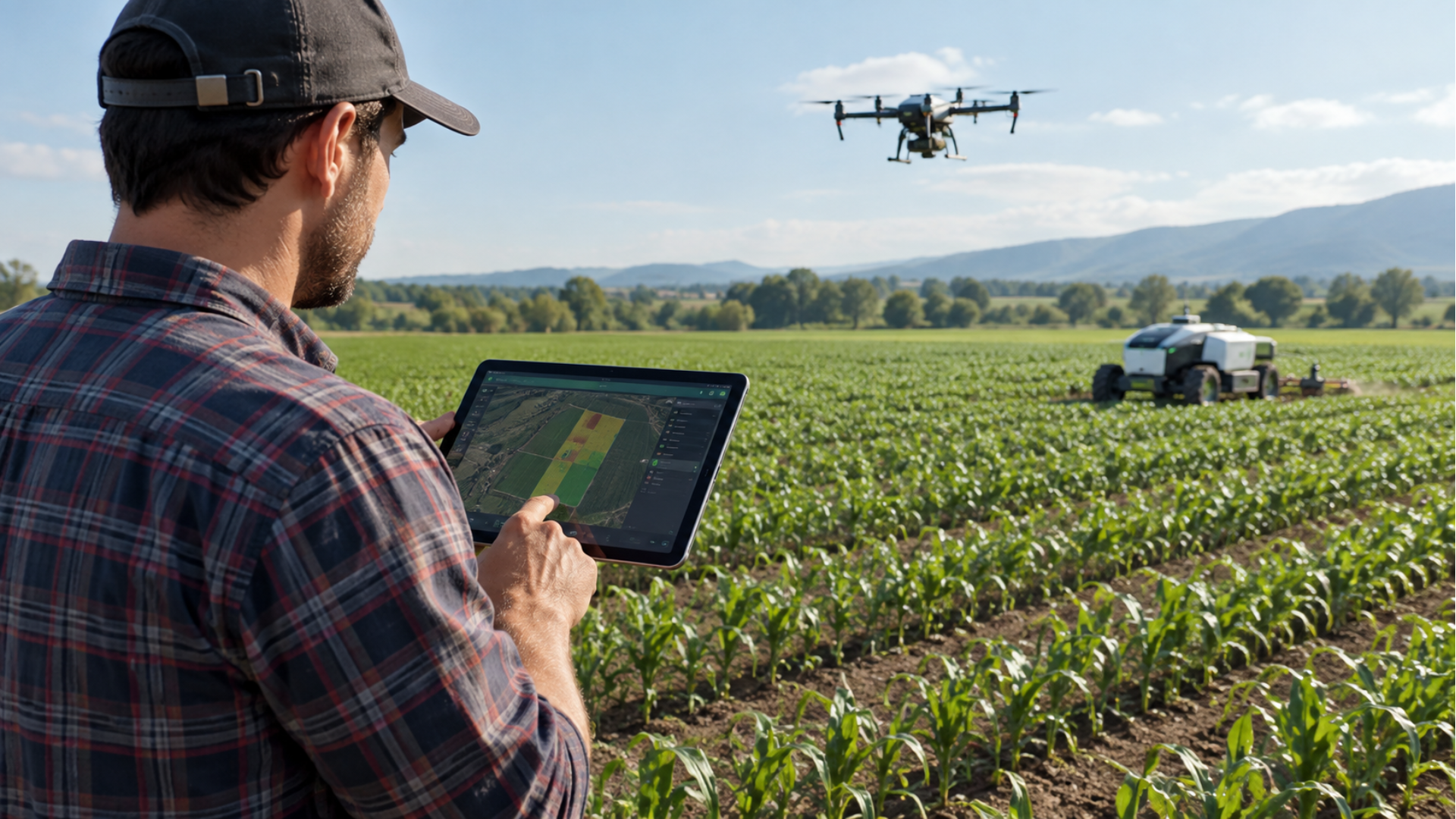
Nelle colture specializzate questa evoluzione è particolarmente evidente. Nel 2026 FederUnacoma ha presentato applicazioni che comprendono robot autonomi, sistemi GPS e LiDAR, droni agricoli, sensori per l’analisi del suolo e macchine capaci di effettuare trattamenti mirati.
L’obiettivo è duplice: aumentare la produttività e ridurre gli input utilizzati. Una macchina capace di distribuire un trattamento soltanto dove necessario può ridurre costi e impatto ambientale; allo stesso modo, sistemi autonomi o semi-autonomi possono contribuire ad affrontare la crescente difficoltà nel reperire manodopera agricola specializzata.
Per l’industria italiana questo trend rappresenta una grande opportunità. La specializzazione nazionale nelle macchine per vigneti, frutteti, orticoltura e colture ad alto valore aggiunto consente infatti di competere non necessariamente attraverso i grandi volumi, ma attraverso la qualità della soluzione tecnologica.
Exporting agricultural machinery also means guaranteeing assistance
In the capital goods sector, the commercial process does not end with the delivery of the machine.
Un trattore, una raccoglitrice o un’attrezzatura agricola rappresentano un investimento produttivo e un eventuale fermo macchina può determinare perdite economiche immediate per l’utilizzatore. La disponibilità di ricambi e assistenza tecnica diventa quindi una parte integrante della proposta commerciale.Prima di entrare in un nuovo mercato è necessario chiedersi chi installerà o metterà in servizio la macchina, chi formerà l’utilizzatore, dove saranno disponibili i principali ricambi e quali tempi di intervento potranno essere garantiti.Questo elemento influenza direttamente anche la scelta del distributore. Un importatore dotato esclusivamente di capacità commerciale potrebbe risultare meno efficace di un partner con una rete tecnica, personale formato e magazzini ricambi sul territorio.
Per le aziende italiane, quindi, la selezione del partner non dovrebbe essere basata soltanto sul numero di clienti presenti nel suo database. È necessario verificare:
geographic coverage
product portfolio
potential conflicts with competing brands
technical skills
financial soundness
reale capacità di investimento nello sviluppo del brand
Normative, omologazioni e certificazioni: cosa verificare prima dell’export
Le macchine agricole presentano una complessità normativa superiore a quella di molti altri beni industriali perché possono coinvolgere contemporaneamente requisiti relativi a sicurezza delle macchine, circolazione stradale, emissioni, motori, componenti elettrici e sistemi di telecomunicazione.
All’interno dell’Unione Europea, il EU Regulation No. 167/2013 disciplina l’omologazione e la vigilanza del mercato dei veicoli agricoli e forestali, includendo trattori delle categorie T e C, rimorchi della categoria R e determinate attrezzature intercambiabili trainate.
At the same time, companies must prepare for the new framework introduced by EU Regulation 2023/1230 on machinery, scheduled to replace the previous Machinery Directive during 2027.
Esportare fuori dall’Unione Europea: cosa cambia
When exporting al di fuori dell’Unione Europea, tuttavia, la marcatura CE non deve essere interpretata automaticamente come un passaporto universale. Ogni mercato può prevedere proprie procedure di omologazione, standard tecnici, limiti alle emissioni, requisiti documentali, marcature, regole per l’importatore e disposizioni relative ai manuali e alla lingua della documentazione.
Prima della commercializzazione è quindi opportuno verificare:
the customs classification of the product
the applicable standards
any required tests
the registration procedures
le responsabilità dell’importatore locale
How to build an effective strategy for exporting agricultural machinery
La nuova geografia del settore rende sempre meno efficace l’approccio basato sulla semplice ricerca di un distributore generico.
An internationalization project should start from understanding dove esiste realmente una domanda compatibile con la macchina prodotta dall’azienda. Questo significa analizzare non soltanto il valore complessivo del mercato, ma anche colture prevalenti, dimensione delle aziende agricole, livello di meccanizzazione, struttura della distribuzione, concorrenti presenti e capacità di investimento degli utilizzatori finali.
Una volta identificati i mercati più interessanti, occorre costruire una mappa degli operatori locali e distinguere tra importatori, dealer, distributori specializzati, cooperative, grandi aziende agricole, contoterzisti e operatori istituzionali.
Which entry model to choose
La fase successiva riguarda la definizione del modello di ingresso. In alcuni Paesi un distributore esclusivo può rappresentare la soluzione più efficace; in altri può essere preferibile lavorare con più dealer regionali. Nei mercati più strategici e maturi può invece diventare opportuno valutare una struttura commerciale locale, personale dedicato o una presenza societaria diretta.
The role of trade fairs: EIMA International 2026
Trade fairs also continue to play an important role. The same EIMA International 2026, in programma a Bologna dal 10 al 14 novembre, rappresenta una piattaforma privilegiata per incontrare operatori provenienti dai principali mercati internazionali e osservare l’evoluzione tecnologica del comparto. Tuttavia, la partecipazione fieristica produce risultati soltanto quando viene inserita all’interno di un percorso commerciale strutturato, con attività di scouting prima dell’evento e follow-up sistematici successivi.
Conclusioni: esportare macchine agricole nel 2026 richiede una strategia più selettiva
Il mercato mondiale delle macchine agricole sta attraversando una fase di profonda trasformazione. Il rallentamento di alcuni mercati tradizionali convive con l’espansione della domanda in India, Asia, Africa e America Latina, mentre digitalizzazione, robotica e intelligenza artificiale stanno ridefinendo le caratteristiche stesse delle tecnologie richieste dagli agricoltori.
Per le imprese italiane le opportunità rimangono quindi significative, ma richiedono un approccio più selettivo rispetto al passato.Individuare il mercato corretto, comprendere le specificità delle filiere agricole locali, definire il posizionamento del prodotto, verificare la compliance normativa e costruire una rete di distribuzione e assistenza adeguata sono passaggi indispensabili per trasformare il potenziale del mercato in risultati commerciali concreti.
Along this path, Octagona supports Italian companies through:
Domande frequenti sull’export di macchine agricole
Quali sono i mercati più promettenti per esportare macchine agricole nel 2026?
I mercati con le prospettive di crescita più rapida sono India, Africa subsahariana, Asia e America Latina, mentre Europa e Nord America restano strategici ma più maturi e competitivi. Non esiste però un unico mercato ideale per tutti i produttori: India e diversi Paesi asiatici registrano una forte crescita della meccanizzazione, mentre Africa subsahariana e America Latina presentano prospettive interessanti nel medio periodo. Europa e Nord America rimangono mercati strategici ma maturi e caratterizzati da maggiore concorrenza e, nel caso statunitense, anche da nuove complessità tariffarie. La scelta deve quindi dipendere dalla tipologia di macchina, dalla coltura di destinazione e dal posizionamento dell’azienda.
Which agricultural technologies have the greatest growth prospects?
Agricoltura di precisione, sistemi di guida, sensoristica, robotica, telemetria, automazione e intelligenza artificiale stanno diventando componenti sempre più importanti della meccanizzazione. Cresce inoltre la domanda di soluzioni capaci di ridurre consumi di acqua, fertilizzanti e prodotti fitosanitari.
La marcatura CE è sufficiente per esportare una macchina agricola fuori dall’Europa?
Non necessariamente. La marcatura e le omologazioni europee dimostrano la conformità alla normativa UE, ma i Paesi extraeuropei possono prevedere propri standard, procedure di omologazione, requisiti sulle emissioni, certificazioni o registrazioni. È quindi necessario verificare la normativa applicabile nel singolo mercato prima di iniziare la commercializzazione.
How much does the local distributor charge?
Nel settore delle macchine agricole il distributore ha spesso un ruolo determinante perché deve garantire non soltanto la vendita, ma anche assistenza tecnica, ricambi, formazione e relazione continuativa con l’utilizzatore finale. La scelta del partner dovrebbe quindi basarsi sulla qualità della sua struttura tecnica e commerciale e non soltanto sulla dimensione del portafoglio clienti.
Quali documenti servono per esportare macchine agricole fuori dall’Unione Europea?
Non esiste un elenco unico valido per tutti i mercati. In generale servono la classificazione doganale del prodotto, la verifica degli standard tecnici e delle emissioni richiesti dal Paese di destinazione, eventuali test o certificazioni locali, le procedure di registrazione doganale e la definizione delle responsabilità dell’importatore. La marcatura CE, da sola, non è sufficiente fuori dall’Unione Europea.
SHARE ARTICLESassy Social Share
If you want to learn more about the content of this article








 Italian
  English