What is supply chain and why it may affect your business
In summary
The supply chain includes the supply of raw materials, production, logistics, and the distribution of goods to the final customer.
Il commercio online e gli eventi come il lockdown e il conflitto russo-ucraino hanno reso la supply chain più complessa e la domanda più instabile.
An efficient supply chain aims for lean processes that reduce costs and waste, to safeguard profits even in times of market stagnation.
Raccolta e monitoraggio dei dati, automazione e standardizzazione dei processi migliorano gestione del magazzino, tracciabilità della merce e pianificazione logistica.
Il Supply Chain Manager coordina tutte le fasi, compresi i passaggi di merci e informazioni, mentre l’intelligenza artificiale ottimizza costi e resa produttiva.
Index
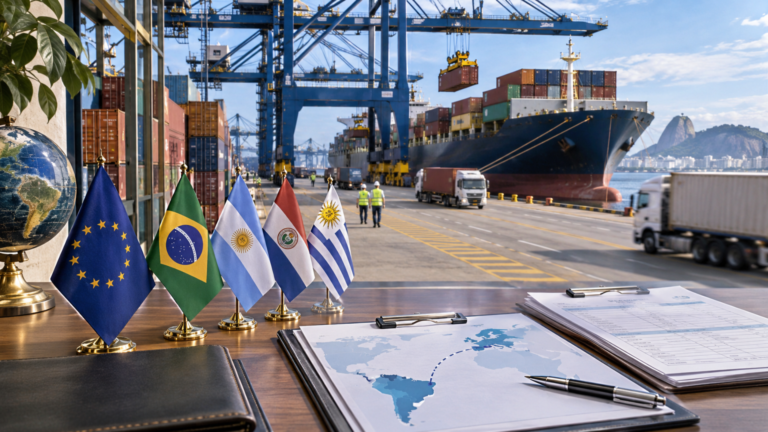
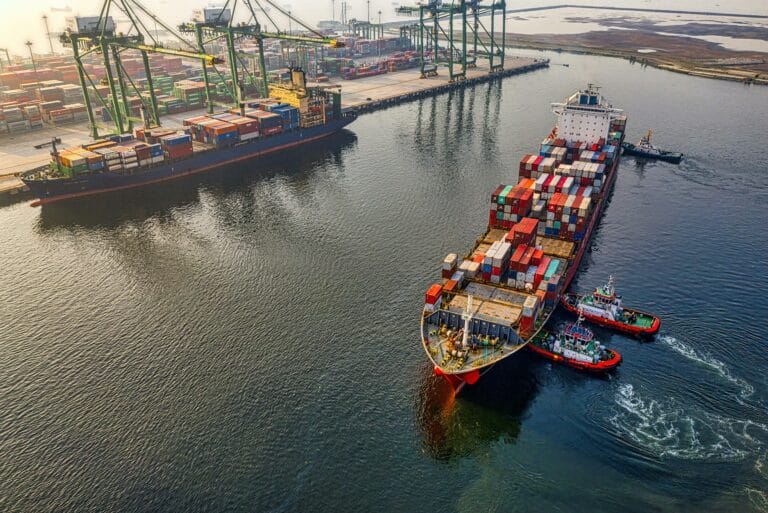
The supply chain, o supply chain, is one of the key elements that keep the global economy moving: behind every product we buy is a very intricate process involving both the receipt of raw materials from the supplier, the production, and both the logistics and distribution of the goods. A process that has paramount importance also in relation to the’business internationalization, especially for enterprises that want to sell abroad.
In fact, with the increasingly sharp rise of online commerce, the supply chain has become increasingly complex, having to deal with A scenario that transcends national borders. For example, the supply chain must consider the wide fluctuations in product demand following events such as the lockdown and the Russian-Ukrainian conflict. For this, it must be Efficient and able to achieve lean production processes, capable of reducing costs and waste, with the aim of safeguarding the company's profits as much as possible, even in cases of market deadlock.
In this article we will therefore explore the crucial importance of the supply chain in the era of globalization.
The importance of constant data collection and monitoring in a supply chain
For an increasingly efficient and productive supply chain, it is critical to Acquire the data needed to manage each stage, starting from the procurement of materials needed to produce the goods to reaching the end customer.
There are programs that can simplify this, aimed at tracking each process and providing any necessary information for it. This can be particularly useful for the warehouse management and for Tracking the goods at all times.
The automation and standardization of processes
Making processes within a supply chain as automated and standardized as possible, makes it possible to optimize time and resources. Today it is possible to use machines and programs in warehouses that enable them to efficiently and safely manage operations within them, for example by having products moved by special conveyors that are specifically suited for that type of merchandise.
Again thanks to the latest technological innovations, the company can make use of software that coordinates every aspect of logistics and product distribution, planning all their movements.
The supply chain and the advantage it can be for your business
The upgrade chain is also becoming increasingly automated through the use of artificial intelligence. This results not only in cost optimization, but also in a better production yield and in a better experience for customers.
To realize a supply chain that meets expectations, one can rely on the figure of the Supply Chain Manager (SCM), which is responsible for organizing and presiding over all phases of this circuit, including the passage of goods and information.
Octagona can assist your business to plan every supply chain flow, as well as provide any Export-related advice, including digital. Do not hesitate to contact us through this form for any questions.
Frequently Asked Questions
What is meant by the supply chain and what stages does it comprise?
La supply chain, o catena di approvvigionamento, è l’insieme dei processi che portano un prodotto dal fornitore al cliente finale. Comprende la ricezione delle materie prime da parte del fornitore, la produzione, la logistica e la distribuzione della merce. È un elemento chiave dell’economia globale e dell’internazionalizzazione d’impresa.
Perché la supply chain è importante per un’impresa che vuole vendere all’estero?
La supply chain è importante per chi esporta perché, con la crescita del commercio online, deve gestire uno scenario che supera i confini nazionali. Una catena efficiente riduce costi e sprechi, tiene sotto controllo le fluttuazioni della domanda e protegge i profitti dell’impresa anche quando il mercato rallenta o si ferma.
Which events have made the management of the supply chain more complex?
La gestione della catena di approvvigionamento è diventata più complessa a causa dell’espansione del commercio online e di eventi come il lockdown e il conflitto russo-ucraino. Questi fattori hanno provocato ampie fluttuazioni della domanda dei prodotti, e richiedono processi produttivi snelli e capaci di adattarsi rapidamente ai cambiamenti del mercato.
How can the supply chain be made more efficient with data and automation?
Si rende più efficiente la supply chain raccogliendo e monitorando i dati di ogni fase, dall’approvvigionamento dei materiali al cliente finale, e automatizzando e standardizzando i processi. Programmi dedicati permettono di gestire il magazzino e tracciare la merce. Macchinari e software coordinano logistica e distribuzione, pianificando tutti i movimenti dei prodotti.
Che ruolo ha l’intelligenza artificiale nella supply chain?
L’intelligenza artificiale sta automatizzando sempre più la supply chain, con effetti su costi, resa produttiva ed esperienza dei clienti. Permette di ottimizzare i costi e di migliorare la produzione. Va integrata con dati, software di gestione logistica e processi standardizzati, sotto il coordinamento di una figura dedicata.
Che cosa fa il Supply Chain Manager (SCM) in un’azienda?
Il Supply Chain Manager (SCM) è la figura che organizza e presiede tutte le fasi della catena di approvvigionamento, compresi i passaggi di merci e di informazioni. Ha il compito di costruire una supply chain che soddisfi le aspettative dell’impresa, coordinando fornitura, produzione, logistica e distribuzione fino al cliente finale.
SHARE ARTICLESassy Social Share
If you want to learn more about the content of this article





 Italian
 English